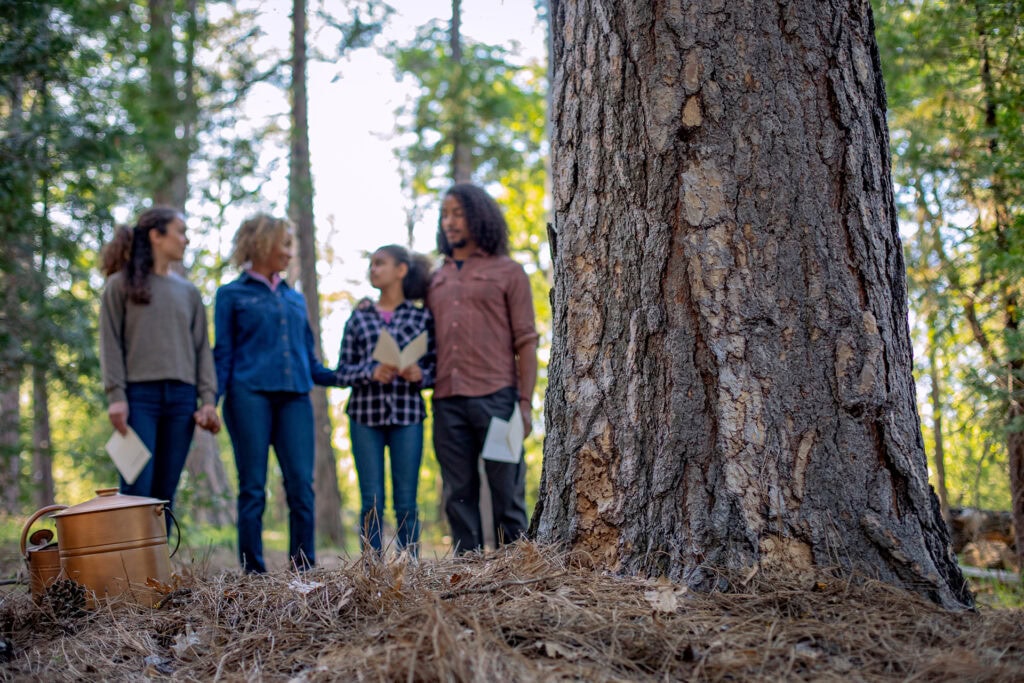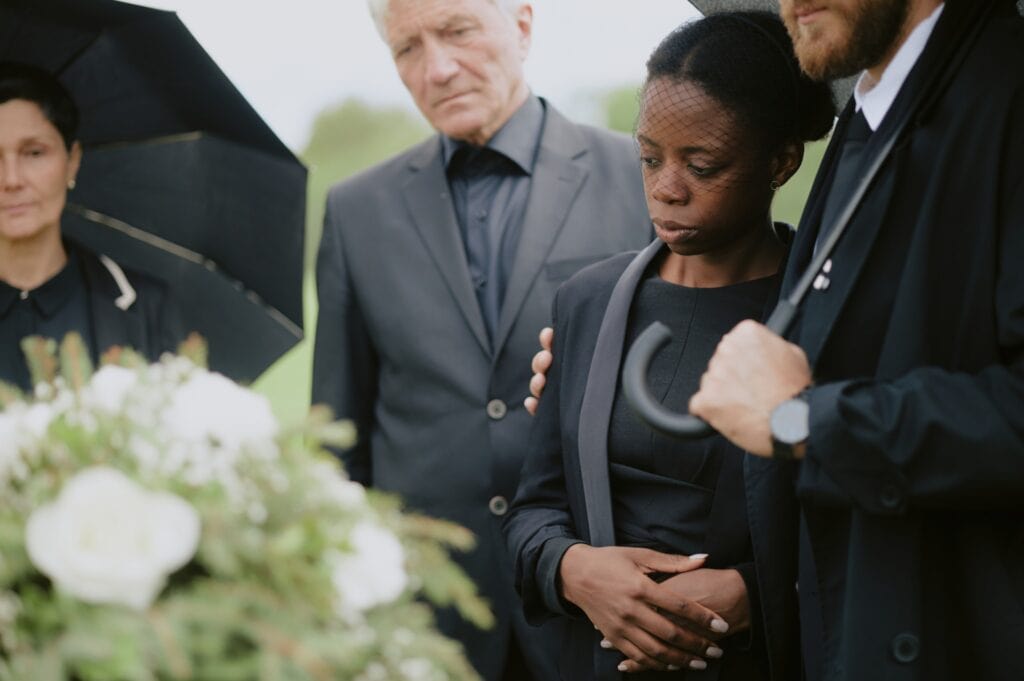
A death vigil brings people together—before or after loss—to reflect, remember, and support one another. Discover its cultural roots and practical ways to create a meaningful vigil.
What Is a Death Vigil?
A death vigil is a gathering held to honor someone who is dying—or has just passed—by keeping company through quiet presence. Woven into many religious and cultural practices, vigils open space for comfort, reflection, prayers, and shared memories during a deeply emotional time.
The Significance of a Vigil
Literally meaning “wakefulness,” a vigil honors life with intentional presence. Whether you pull an all‑nighter beside a loved one or pause together before a service, each moment becomes a testament to devotion and connection.
Vigils are meaningful both before and after death:
- Before death: Gentle presence during final moments—holding hands, silently sitting, speaking softly.
- After death: A time to gather, pray, reminisce, or say goodbye before the burial or cremation.

How Different Traditions Observe Vigils
- Christian practices: Often feature readings, hymns, prayers, and quiet time with the body.
- Jewish traditions: Shmira involves keeping watch over the deceased until burial.
- Buddhist observances: May include meditation, chanting, and rituals to guide the spirit.
- Indigenous ceremonies: Often combine storytelling, song, and ceremonial rites as part of the vigil.
Some families create deeply personal vigils—mixing cultural traditions with new practices that reflect the unique life being honored.
Why People Hold Vigils
Vigils are carried out for reasons both practical and deeply human:
- To emotionally support someone who is dying
- To gather loved ones in comfort and shared grief
- To offer blessings, prayers, or positive thoughts
- To begin the grieving process in a compassionate setting
- To honor cultural or spiritual rituals
Ultimately, the vigil serves those still here as much as the one who has passed.
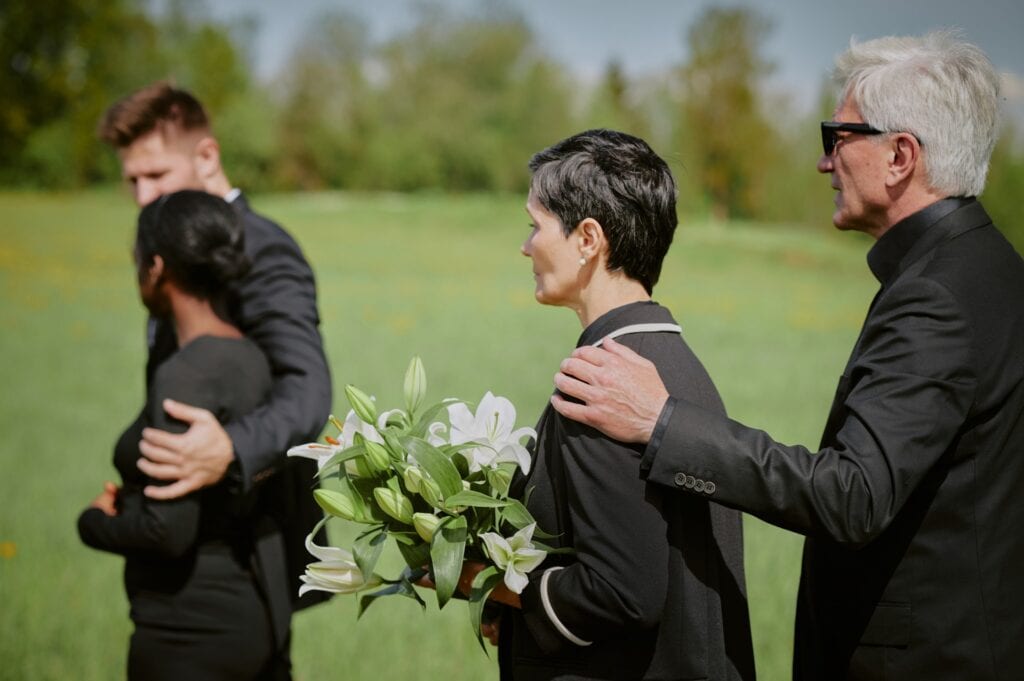
How to Plan a Meaningful Vigil
Adapt your vigil to reflect your loved one’s spirit:
- Choose a space: Home, hospice, funeral chapel, favorite location—whatever feels right.
- Set a timeframe: A few hours or overnight—go with what feels natural.
- Add personal touches: Think candles, favorite music, poems or quotes, shared stories.
- Honor traditions: If spirituality is important, include readings, rituals, or symbols.
- Care for those present: Provide cozy seating, soft lighting, and simple refreshments so people can rest and reflect.
In Closing
A death vigil is a sacred pause in time—an opportunity to be present, share love, and say goodbye with intention. Whether grounded in centuries-old tradition or created from the heart, vigils offer solace through connection and remembrance.