More people are choosing to celebrate their lives with loved ones before they pass, not after. This trend — called a pre‑death party or “living funeral” — helps people say goodbye on their own terms. Here’s why it’s catching on.
Why Pre‑Death Parties Are Changing How We Celebrate Life
What Is a Pre‑Death Party?
A pre‑death party (sometimes called a living funeral or a celebration of life before death) is exactly what it sounds like. Instead of waiting until someone has passed away to gather and share memories, friends and family come together while the person is still alive. It’s a chance to share stories, express gratitude, laugh, cry, and say goodbye — together.
This approach flips the traditional funeral model. No stiff ceremony, no “past tense” eulogies. It’s a party, a gathering, a celebration — on your terms.
Why More People Are Choosing Pre‑Death Celebrations
What’s driving this shift?
- It gives control to the person being honored: they choose how they want to be celebrated.
- It offers closure for loved ones: things can be said that might otherwise go unsaid.
- It focuses on life and legacy, not just loss.
- It creates a space for connection while the honoree is present, rather than only afterward.
Studies and articles show this is an emerging trend as people seek more meaningful, personalized end‑of‑life rituals. Our Life Celebrations+3Dignity Memorial+3TalkDeath+3
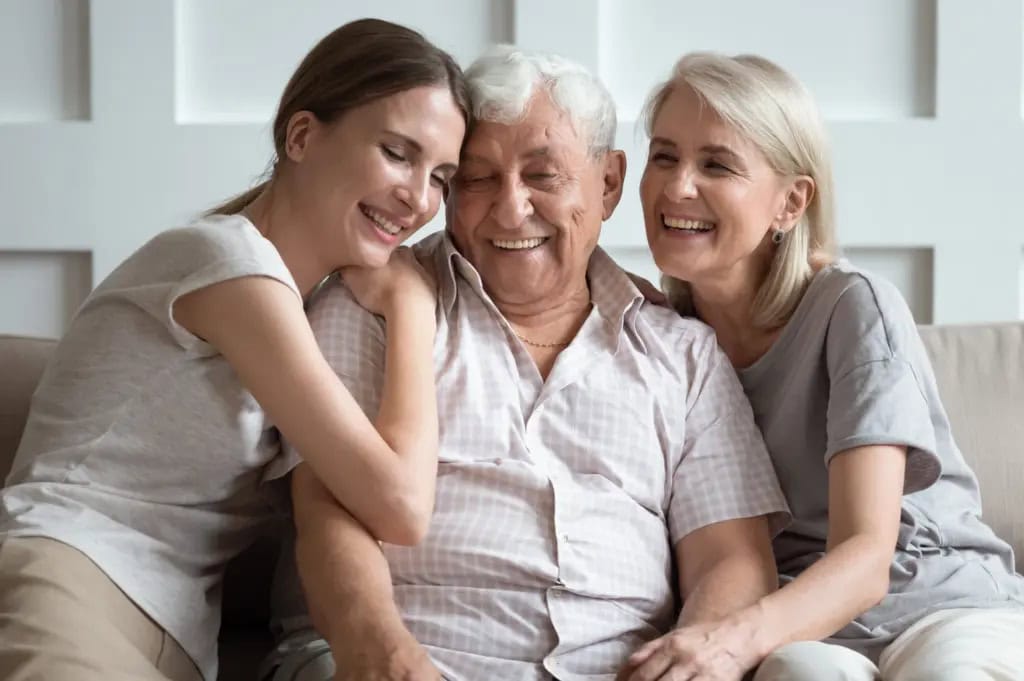
It’s About Connection, Not Ceremony
Traditional funerals often carry structure: formal attire, scheduled readings, a sense of ritual. A pre‑death party turns that around.
- Think toasts instead of eulogies.
- Think sharing photos, telling funny stories, and hearing directly how you impacted others.
- Think living in the moment with people who matter, with the honoree right there.
The goal isn’t to ignore death. It’s to shift the tone — from “we gather because someone’s gone” to “we gather because someone amazing is still here.”
Who Are These Parties For?
Anyone — but they’re especially meaningful for:
- Someone with a terminal diagnosis or declining health.
- Older adults who want to mark their life, while they still can.
- Anyone who wants to say “thank you” or “I love you” on their own terms.
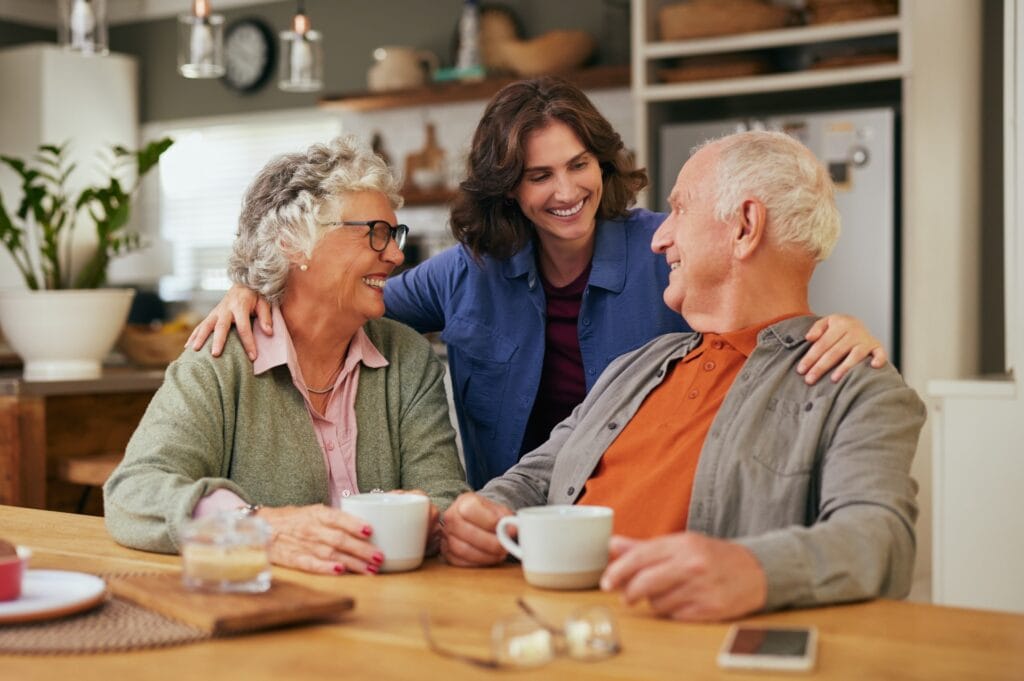
The setting can be as simple or elaborate as you choose: a backyard BBQ, a forest gathering, a favorite restaurant, or a cozy home get‑together.
Real Examples: How People Are Doing It
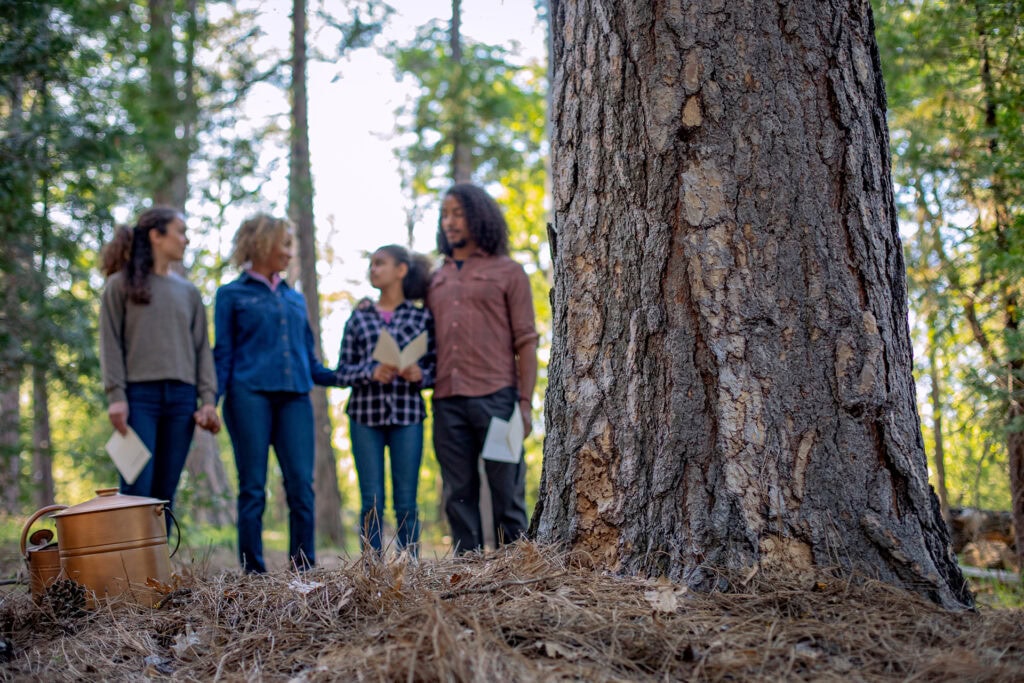
- Sherri’s Forest Gathering: She, diagnosed with terminal illness, held a gathering at the forest she loved. Friends shared stories by a campfire. She said it was the most loving day of her life.
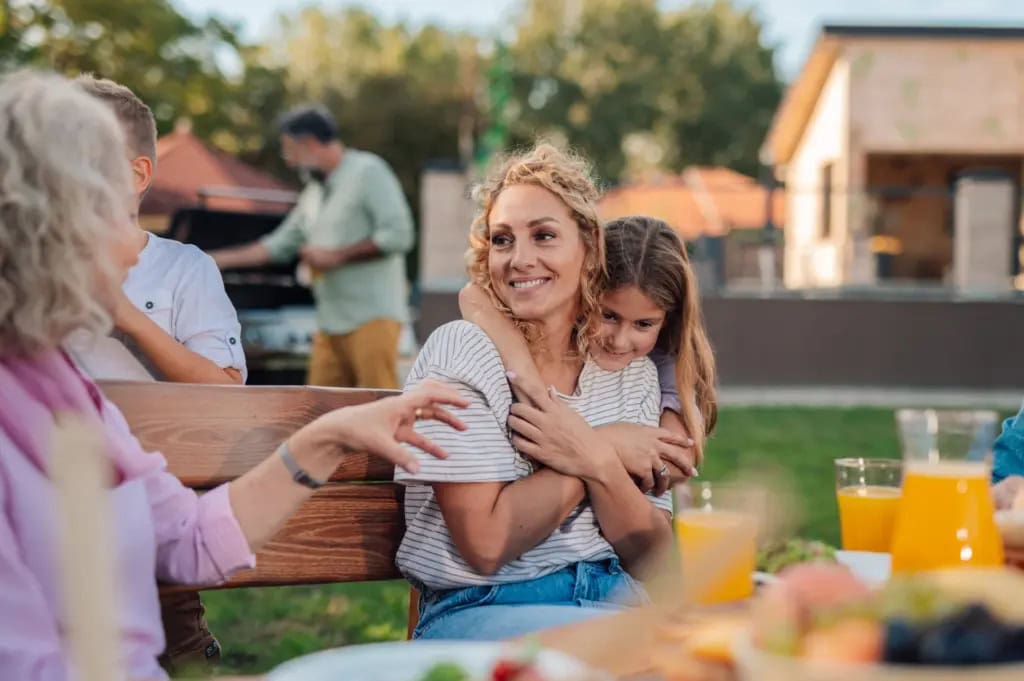
- Dale’s Backyard Bash: He gathered his friends, had his favorite music, grilled his favorite food—and got to hear directly how he’d touched each person’s life.
- Maria’s Art Show: A painter by trade, Maria made her party an art exhibit. Her friends and family showed how her work had moved them.
Each of these is different—but they share the same heart: celebration while alive.
How to Plan a Pre‑Death Party
Here are some steps to get started:
- Start with intent: Ask, “What do I want this day to feel like?”
- Pick the space: Home, forest, garden, beach—where?
- Curate the guest list: Do you want an intimate circle or a larger gathering?
- Encourage sharing: Ask attendees to bring a story, a photo, or a letter.
- Personal touches help: Favorite songs, meaningful food, visuals of the honoree’s life.
- Capture the moment: Photos, video, guest book—these become part of the memory.
If organized while the person still understands and participates, it becomes deeply meaningful—not morbid.
Is It Morbid?
Some think so at first glance. But for many who’ve done it, the exact opposite is true.
It’s cathartic, it’s celebratory, it’s love‑filled.
It allows the honoree and the loved ones to say things that may never otherwise get said.
And when done right, it shifts the tone from fear or sadness to gratitude and connection.
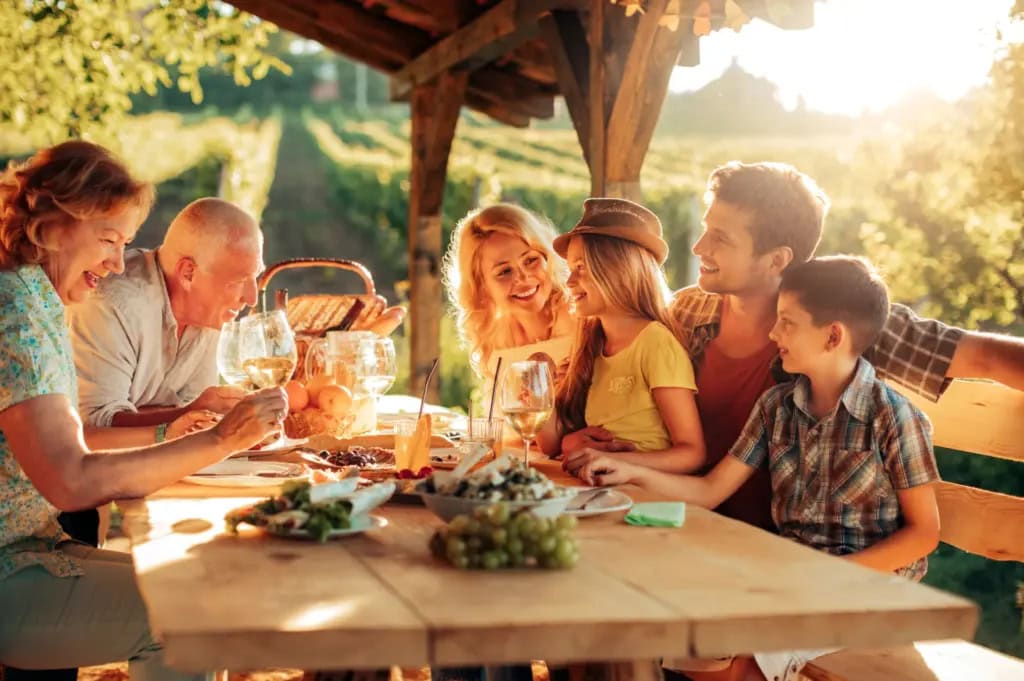
What If You’re Not Dying?
You don’t have to be facing death to host this kind of gathering.
Some people do it for a milestone—turning 80, retirement, or simply wanting to express “thanks” to life and loved ones.
The core idea: celebrate life now, on your terms.
FAQs
Is this the same as a living will or advance directive?
No. Those are legal tools. A pre‑death party is emotional, social, intentional.
Do people talk about death during these events?
Sometimes—but only if they want to. Many focus more on life, less on the end.
Are pre‑death parties expensive?
Not necessarily. They can be low‑key, at home, or outdoors. Costs vary based on scale.
Is this a new trend?
It’s growing. The concept of a “living funeral” or “pre‑funeral” has existed in some cultures for decades, and now it’s catching on more broadly. US Funerals Online+1
What if I feel nervous planning one?
That’s totally normal. You’re breaking a norm. But often the emotional and relational benefits are profound.
Final Thoughts
A pre‑death party offers something rare: the chance to say what matters while you can still hear it.
It’s about presence, connection, and celebration—rather than only memory.
If you or someone you love is considering one, know this: it doesn’t replace grief, and it doesn’t deny reality. It simply honours life—and love—in a powerful, present‑day way.