Discover how turning ashes into a tree creates a lasting, eco-conscious tribute. A gentle, meaningful way to honor a loved one—supported by trusted cremation professionals.
A Tree for Someone You Loved: Turning Ashes Into a Living Memorial
There’s something powerful about planting a tree.
Especially when that tree carries the memory of someone you love. Turning ashes into a memorial tree isn’t just symbolic—it’s a way to root their legacy in living soil. A way to let something beautiful grow from grief.
For families choosing direct cremation or looking for an alternative to traditional ceremonies, memorial trees offer something quiet, natural, and lasting.
What Is a Memorial Tree, Really?
At its heart, it’s simple: a tree planted in someone’s honor. But it becomes more than that. When cremated ashes are placed in the soil—safely and thoughtfully—they nourish the roots of new life.
Instead of ashes sitting on a shelf or being scattered and gone, they become part of something that continues to grow. A tree you can visit. Sit under. Return to.
You can plant it yourself, or partner with a service or memorial forest that takes care of the details. Either way, it’s a deeply personal way to remember.
How It Works: Ashes and Trees Together
Cremated ashes need special care before they can support a tree. On their own, they’re too alkaline. But when mixed with the right soil or placed in a biodegradable urn, they can become part of a healthy root system.
Here’s the general process:
- Choose the right tree – Maybe one that reminds you of them. Or one that feels strong, gentle, or beautiful in a way that fits.
- Pick the place – A garden. A backyard. A forest that protects memorial trees.
- Prepare the ashes – This might involve soil amendments or a purpose-made urn.
- Plant with care – And maybe with a few words, or just a moment of stillness.
Some families add small touches: a plaque, a stone, a bench nearby. It doesn’t have to be grand. Just meaningful.
Why More People Are Choosing Memorial Trees
This option speaks to something a lot of families are quietly looking for:
- A lasting tribute – Flowers fade. Trees grow. Often for generations.
- Healing in nature – Green spaces have a way of softening grief.
- An environmental gift – Trees clean air, give shade, support wildlife.
- A place to return to – A rooted, real place. On birthdays, anniversaries, or any day that hurts.
Especially after direct cremation, a memorial tree can offer both purpose and peace. It’s simple. But it stays with you.
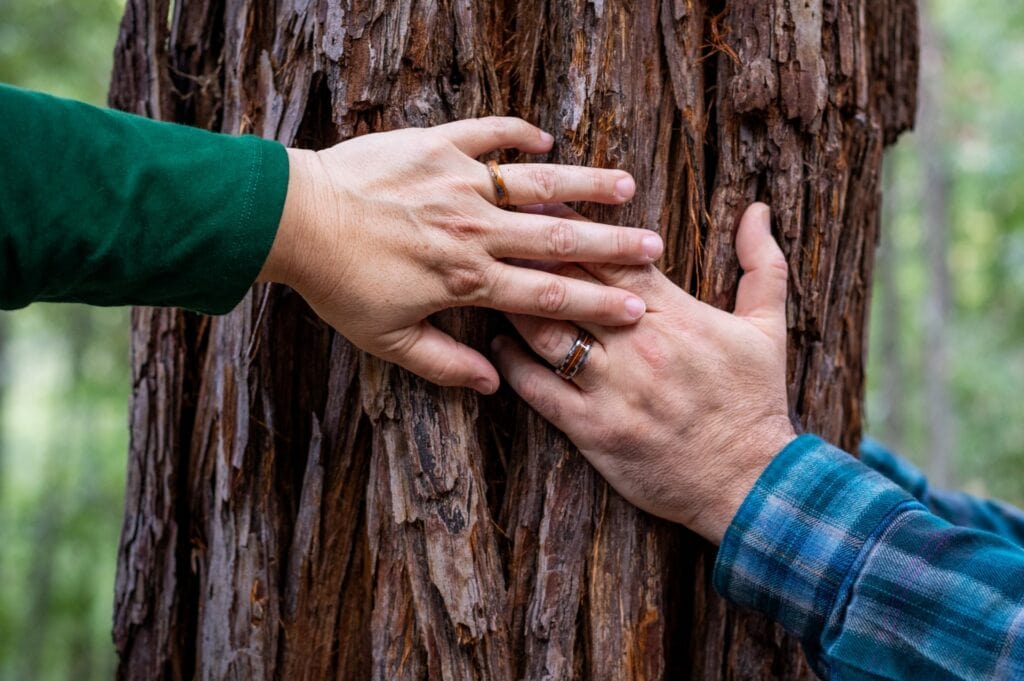
Protected Forests: When You Want to Plant, But Not at Home
If planting on your property isn’t practical—or doesn’t feel right—there are dedicated memorial forests.
These forests:
- Protect the land from development
- Keep the trees cared for, long-term
- Welcome visits and quiet reflection
Knowing that your loved one rests in a thriving, natural space can bring unexpected comfort. Especially if you want others—friends, future generations—to experience that space too.
How Direct Cremation Fits In
Direct cremation gives families freedom. No pressure to plan a service right away. No large upfront costs. Just a dignified process, and space to choose what comes next.
And for many, what comes next is personal. A memorial tree fits that perfectly—something you can do on your timeline, in your way.
Thinking About Planting a Tree? A Few Tips
- Choose the right spot – One that will be safe and available for the long haul.
- Pick a native species – Local trees thrive best and help the surrounding environment.
- Consider a marker – So others will understand the tree’s story.
- Invite others, or go quietly – Both ways are valid. Let it reflect your love.
There’s no need to make it complicated. A simple planting, even just you and the tree, can feel like enough.
Common Questions
Can any ashes be used?
Yes—but they need to be treated or placed in special urns to avoid harming the tree.
What trees are good choices?
That depends. Oaks for strength. Maples for change. Evergreens for endurance. Choose what speaks to you—or them.
Can I plant one at home?
If your local rules allow, yes. Just be sure it’s a spot that’ll be cared for over time.
What if I want help?
There are services that handle the planting, maintenance, and even memorial planning.
Is this an option after direct cremation?
Absolutely. In fact, it’s one of the reasons many families choose cremation—so they can create a tribute that feels real and personal.
A Quiet Way to Keep Someone Clos
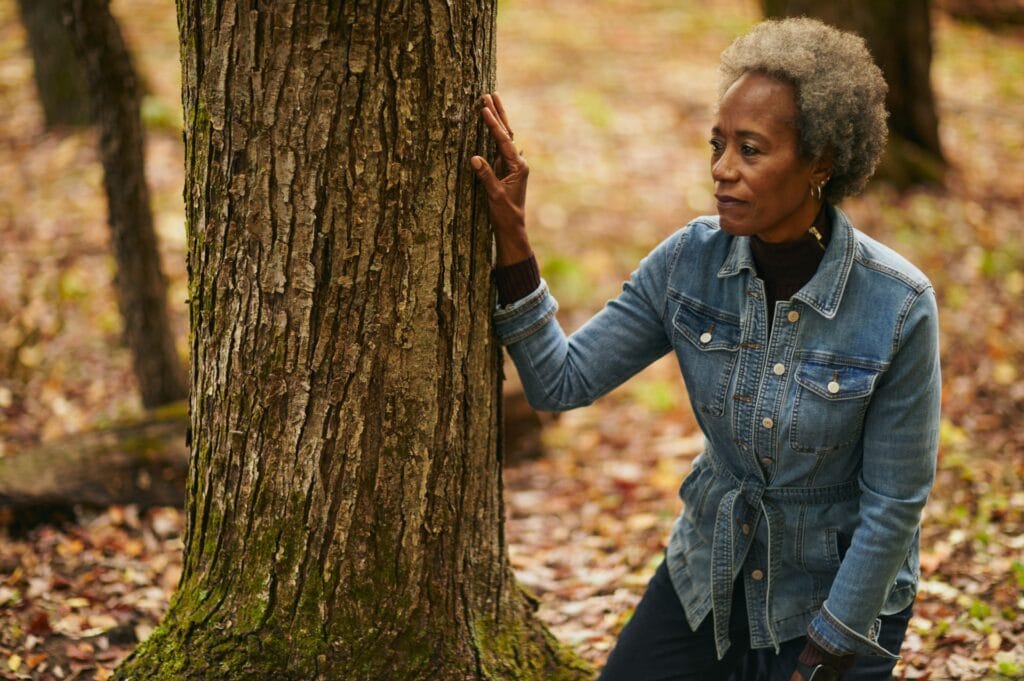
In a noisy world, planting a tree is a quiet act of remembrance. It doesn’t ask for attention. It just grows.
If you’re considering turning ashes into a tree, you’re not just saying goodbye. You’re planting love. Patience. Memory. All the things that endure.
When you visit that tree—years from now—it will be taller. Stronger. Still reaching. Just like the memory of the person who inspired it.