Cremation Jewelry: A Personal Way to Remember a Loved OneGrief doesn’t always make sense, but sometimes, having something tangible helps. Cremation jewelry gives people a way to hold on—to feel close to someone who’s passed. A pendant, ring, bracelet, or bead that holds a small portion of ashes can be a quiet source of comfort.…
What Is Cremation Jewelry?
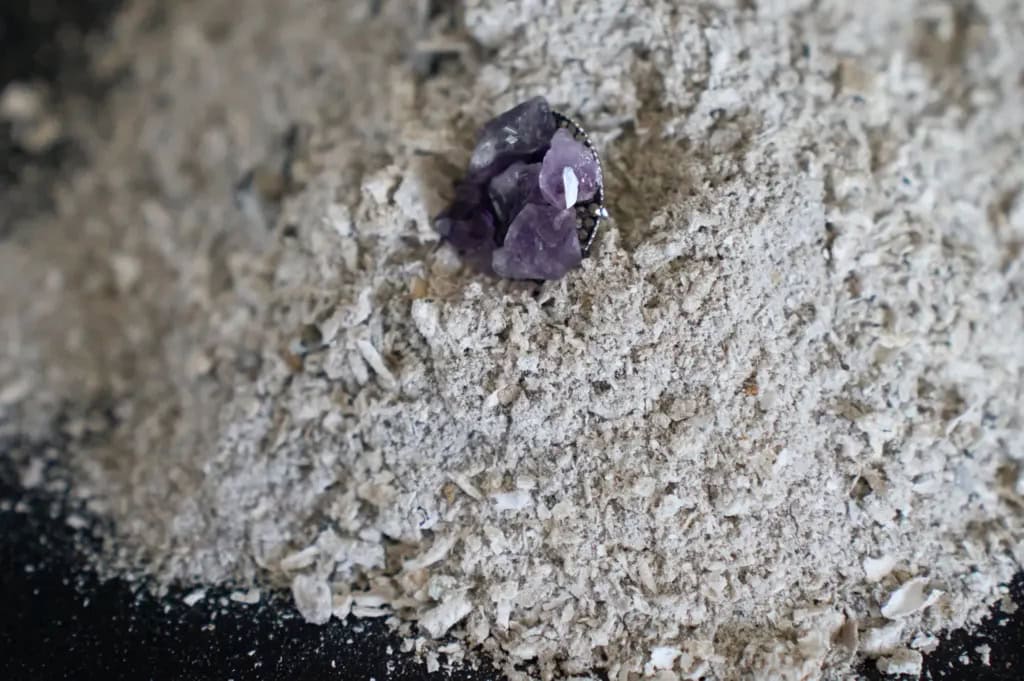
Cremation jewelry—also called memorial or ash jewelry—holds a small amount of a loved one’s ashes. Sometimes it’s sealed inside. Other times, it’s fused directly into glass, resin, or even synthetic gemstones. You don’t need much—typically less than a teaspoon.
Common types include:
- Pendants with a small chamber for ashes
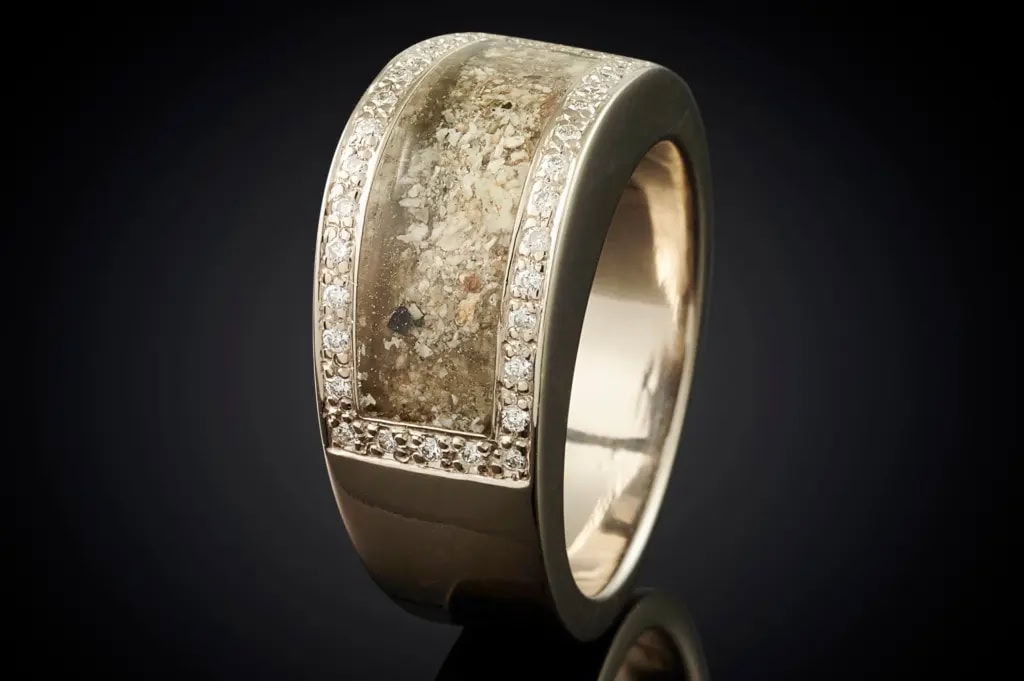
- Rings with ash-infused stones or compartments
- Beads or charms made with ashes
- Memorial diamonds created from carbon in the ashes
Some pieces are simple and discreet. Others are elaborate or custom-designed.
Why People Choose This Type of Memorial
Grief is personal. Cremation jewelry offers a quiet, private way to keep someone close. People choose it for different reasons:
- Emotional connection: It helps to feel like they’re with you
- Daily remembrance: Unlike an urn, you can carry it with you
- Family sharing: Ashes can be divided so multiple people can each have a piece
- Creative tribute: You can choose designs that reflect their personality
How It’s Made
The process is simple in most cases:
- You choose the style and material
- The company sends instructions for mailing a small portion of ashes
- Jewelers either seal the ashes inside or blend them into glass, resin, or metal
- The finished piece is returned to you, usually in a few weeks
Some pieces, like lab-created diamonds, take longer. They involve extracting carbon from the ashes and growing a gemstone under heat and pressure. This can take several months and costs more.
Common Jewelry Styles
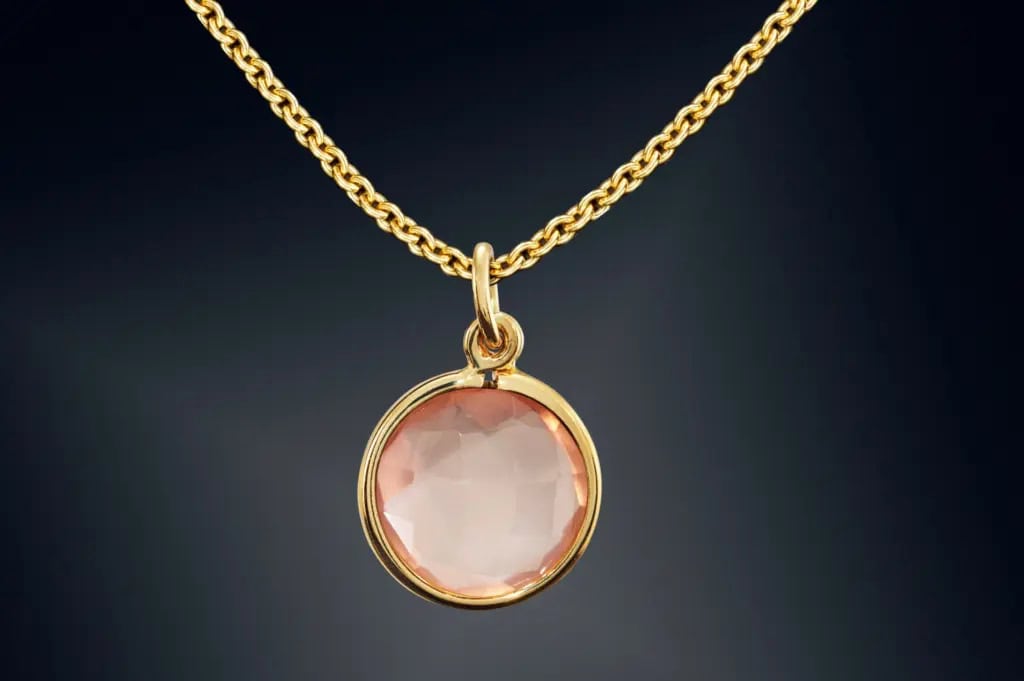
- Pendants: One of the most popular choices. Some open to hold ashes; others are infused.
- Rings: Ashes go under a stone or inside a custom band.
- Bracelets: Usually made with charms, beads, or engraved plates.
- Glass beads: Infused with ashes during the glass-blowing process.
- Memorial diamonds: Lab-created and set into traditional jewelry.
Materials Used
Most cremation jewelry is made with durable materials like:
- Sterling silver
- Gold or rose gold
- Stainless steel
- Resin
- Hand-blown glass
- Titanium (for a modern look)
Each material offers a different feel. Silver is classic. Resin is versatile and colorful. Gold is timeless. Choose what feels right to you.
Pros and Cons
Pros
- You can keep the memory close
- Can be worn daily or kept as a private keepsake
- Can be customized in design and engraving
- Works for multiple family members
- Portable and discreet
Cons
- Some may feel uncomfortable handling or mailing ashes
- Emotional attachment can make it difficult to wear regularly
- Risk of damage or loss
- Custom pieces may take time or cost more
What It Costs
Pricing varies depending on the design and material:
- Basic pendants: $50–$200
- Resin or glass jewelry: $100–$300
- Gold or premium rings: $300–$1000+
- Memorial diamonds: $1500–$5000+
Some companies charge extra for engraving, shipping, or custom design.
What to Think About Before Choosing
- Do you want to wear it often or keep it safe?
- Who else, if anyone, should receive a piece?
- Do you prefer something subtle or more symbolic?
- Are you comfortable mailing ashes?
- Would sealing or visible ashes feel more meaningful?
It helps to talk with family about your plans. Some people prefer more traditional memorials, and that’s okay too.
Alternatives to Jewelry
If cremation jewelry doesn’t feel right, you could consider:
- Planting a memorial tree using the ashes
- Scattering ashes in a favorite natural setting
- Creating glass art or keepsake sculptures with ashes
- Using a decorative urn for home or niche display
Each option offers a different kind of connection.
Common Questions
Is cremation jewelry safe to wear daily?
Yes, most pieces are designed for everyday use, especially those made from metal or sealed resin.
How much ash is needed?
Less than a teaspoon for most pieces. That means the rest can be kept, scattered, or shared.
Can I include hair instead of ashes?
Some jewelers allow this—especially for lockets or infused glass.
What happens if I lose it?
Some companies offer replacements or backups if you request extra during the process. Still, it’s worth keeping it somewhere safe when not worn.
Final Thought
Turning ashes into jewelry isn’t for everyone. But for those who choose it, it’s often about more than remembering—it’s about staying connected in a small, daily way. Whether worn close to your heart or kept in a quiet place, cremation jewelry is a reminder that love doesn’t end. It changes form. And sometimes, it fits in the palm of your hand.