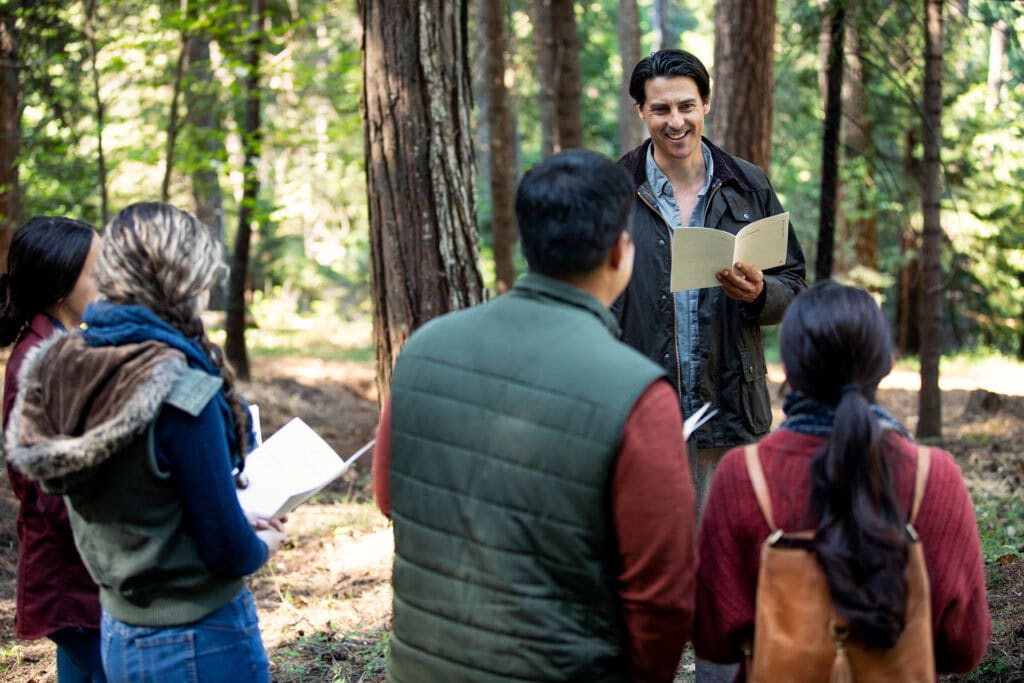
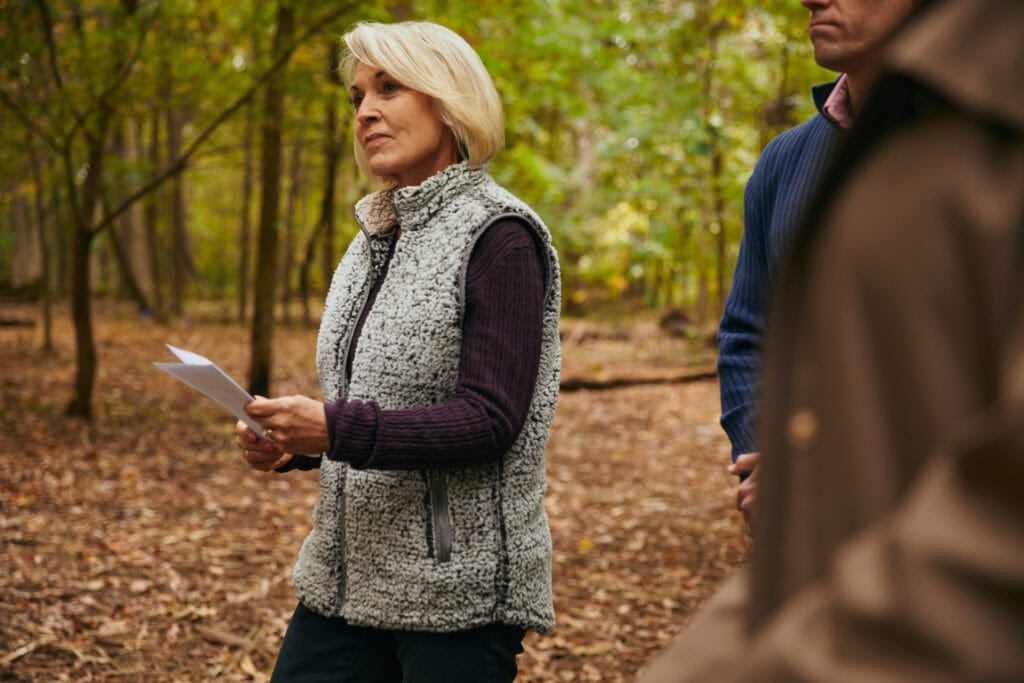
Becoming a tree when you die might sound poetic—but it’s also entirely possible. For those seeking a more natural, sustainable end-of-life option, tree memorials offer a beautiful way to return to the earth. In this guide, we’ll explain how the process works and why more families are choosing to turn ashes into living memorials.
How to Become a Tree When You Die
There’s something quietly powerful about becoming a tree when life ends. It suggests renewal, rootedness, and a return to something bigger than ourselves. For those exploring alternatives to traditional burial, it’s also a gentle, deeply symbolic choice.
With cremation and the right care, ashes can become part of a living tree. That tree becomes a place to remember, to visit, and to reflect. Let’s walk through how it works—and why so many people are choosing this path.
What It Means to “Become a Tree”
To “become a tree” is to have your ashes planted with a tree seedling, where they help nourish the soil as the tree grows. While your remains don’t literally transform into the tree, the symbolism is strong—and the environmental benefits are real.
Rather than being placed in an urn or scattered, your ashes become part of a cycle that gives back to the earth. It’s a gentle act of continuity.
Families can plant trees in their own gardens, or work with memorial forests that protect the land and maintain the tree for generations to come.
How Ashes Help a Tree Grow
Cremated remains are mostly bone fragments, and they’re high in pH and sodium—two things that aren’t great for plants on their own. That’s why the ashes are typically placed in biodegradable urns or blended with soil additives that balance the chemistry.
Here’s what the process usually looks like:
- Cremation – A respectful, straightforward process.
- Ash preparation – Blended with neutralizing materials or placed in a biodegradable urn designed for trees.
- Tree selection – A species that reflects your values, heritage, or favorite places.
- Planting – In a meaningful spot, often as part of a simple ceremony.
- Growth – Over time, the tree takes root—becoming a living symbol of your memory.
The result is a space that heals, grows, and offers beauty in return.
Why People Choose This Path
People are turning to tree memorials for many reasons. Some emotional. Some practical. All meaningful.
- Environmental values – Trees restore habitats, clean air, and reduce carbon.
- Lasting legacy – A tree is something that grows—season after season, year after year.
- Affordability – With direct cremation, this option is often far less expensive than a traditional burial.
- Emotional peace – Trees offer a natural, quiet space to visit and reflect.
It’s a return to simplicity. A quiet way to say: I was here. And now I give something back.
Where to Plant a Memorial Tree
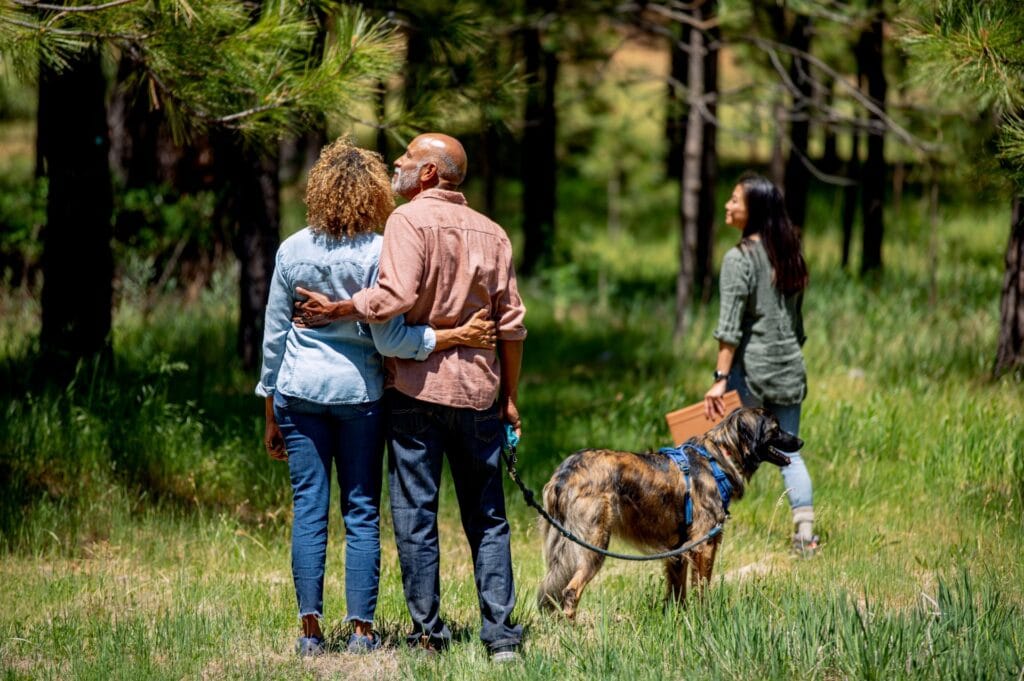
You might plant on private land—a backyard, a family cabin—or in a dedicated memorial forest.
Protected memorial forests offer:
- Permanent protection – The land won’t be developed or disturbed.
- Care and stewardship – Staff monitor the trees and maintain the forest.
- Accessible spaces – With trails, markers, and places to visit.
Choosing the right setting helps ensure that your tree—and your memory—has space to grow.
How to Plan Ahead
Many people are planning their end-of-life wishes now—so their loved ones don’t have to wonder later. If a tree burial speaks to you, here’s what you can do:
- Choose direct cremation
- Pick a memorial tree service or forest
- Decide on a tree species
- Communicate your wishes with loved ones
It’s simple. It’s clear. And it helps ease the planning process for your family when the time comes.
Frequently Asked Questions
Can I really become a tree when I die?
In a symbolic way—yes. Your ashes support the growth of a tree when used properly.
Is it safe for the environment?
Yes. As long as ashes are prepared or placed in specialized urns, the process is safe and eco-friendly.
What kinds of trees are typically used?
That depends on your region and personal meaning. Common options include oak, maple, redwood, cherry, and native evergreens.
Does this work with direct cremation?
Absolutely. Direct cremation gives you flexibility to choose when and how to memorialize.
What if I don’t have land?
Memorial forests offer space, protection, and ongoing care for tree burials.
A Living Memory That Keeps Growing
Becoming a tree isn’t about endings—it’s about continuance. About growing from what once was. About letting grief turn into green.
For those seeking a more natural, personal legacy, this path offers peace. Something you can plan. Something your loved ones can visit. Something the world can benefit from.
And in that tree—in its shade, its growth, its quiet presence—your memory lives on.