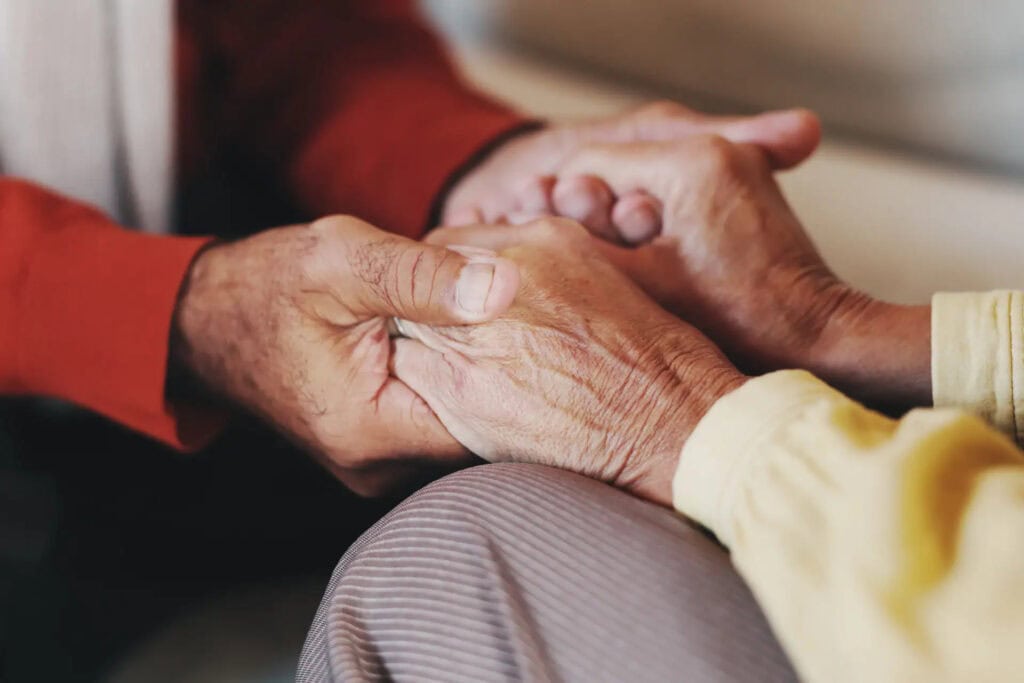
Grieving takes a toll on the body and mind. What you eat during this time can either help or hurt your emotional resilience. This guide explains how diet influences grief and offers tips for eating well while mourning.
How Diet Affects Grief: Food, Mood, and Healing
Losing someone changes everything—your sleep, energy, focus, and appetite. While grief is emotional, it affects your body too. The food you eat during this time plays a bigger role than most people realize. It can either support your healing or make things harder.
What Happens to Your Body During Grief
Grief triggers stress in the body. The nervous system goes into high alert. You may feel tense, exhausted, or sick. Hormones like cortisol spike. Sleep patterns change. Appetite can vanish or swing to emotional eating.
This stress affects digestion, immunity, and mental health. Inflammation may increase. Blood sugar levels can swing. These physical responses make it harder to process emotions clearly. Society of Behavioral Medicine (SBM)+2Karen Sutton+2
Eating well doesn’t fix grief—but it can reduce some of these physical burdens.
Why Food Matters When You’re Grieving
Food affects brain chemistry. Nutrients fuel the systems that regulate mood, energy, and focus. During grief, these systems are under pressure. Choosing foods that stabilize them can give you a stronger foundation.
Eating poorly—too much sugar, caffeine, or processed foods—can worsen fatigue, irritability, and anxiety. Nutrient‑poor diets make it harder to sleep, think clearly, or feel motivated. Illume+1
On the other hand, whole, nutrient‑rich foods support emotional recovery and physical stability. They don’t cure grief, but they help you cope.

Best Foods to Eat While Grieving
Focus on foods that reduce inflammation, support brain function, and stabilize energy.
- Leafy Greens
Spinach, kale, Swiss chard—they’re packed with folate, iron, antioxidants. Help reduce inflammation and support brain health. - Berries
Blueberries, strawberries, raspberries: high in antioxidants that combat stress‑related damage. - Whole Grains
Brown rice, oats, quinoa: they offer steady energy, balance blood sugar, improve mood. - Fatty Fish
Salmon, sardines, mackerel: rich in omega‑3s that support brain function and reduce anxiety. - Nuts and Seeds
Almonds, walnuts, chia, flax: healthy fats and magnesium—good for sleep, stress. - Fermented Foods
Yogurt, kefir, kimchi, sauerkraut: support gut health. Since grief can affect digestion, this matters. TIME+1 - Water
Hydration affects energy, focus, and mood. Grief often leads to neglecting basic needs. Drinking enough water is a simple way to care for yourself.
Foods to Limit During Grief
Certain foods can worsen mood swings, fatigue, anxiety.
- Sugar
Sweet foods may feel comforting, but sugar spikes and crashes can worsen emotional lows and disrupt sleep. Better Place Forests+1 - Caffeine
Too much increases anxiety, irritability, and sleep problems. - Alcohol
May numb emotions temporarily, but disrupts sleep, dehydrates the body, deepens depressive feelings. PMC+1 - Highly Processed Foods
Chips, instant noodles, fast food: lack nutrients, increase inflammation, make you feel more sluggish and off balance. Karen Sutton
Why You Might Lose Your Appetite
Grief affects the brain’s appetite controls. You may feel nauseated, forget to eat, or simply not feel hungry. Emotional exhaustion also reduces motivation to cook or shop. Better Place Forests+1
This is common. Start with small, manageable meals. Keep easy, healthy snacks around—nuts, fruit, protein bars. Even eating a little helps your body recover from the physical toll of grief.
When Grief Triggers Overeating
Grief can also lead to emotional eating. Food becomes a way to soothe pain or distract from feelings. If you find yourself reaching for snacks constantly, pause and ask yourself:
- Am I hungry, or am I trying to avoid something?
- What emotion am I feeling right now?
- Is there another way to comfort myself?
There’s no shame in emotional eating. But being aware of it can help you build healthier coping strategies. Ryan Funeral Home
Tips for Eating Well While Grieving
- Keep it simple: Choose meals that require little prep—salads, soups, smoothies.
- Meal prep in advance: If you have a bit of energy, cook a few meals and freeze them.
- Accept help: Let others bring food or groceries. It’s one less thing to worry about.
- Eat small portions often: If full meals feel overwhelming, try small, nutrient‑rich snacks throughout the day.
- Listen to your body: Some days you’ll eat more, some less. That’s okay.

Supporting Others Through Food
If someone close to you is grieving, food is a practical way to show support. Bring a homemade meal or drop off healthy snacks. Avoid overwhelming them with options. Simple, nourishing dishes are best. Grief Specialists
Ideas include:
- Hearty soups
- Vegetable stir‑fries
- Pasta with protein and vegetables
- Smoothie kits
- Granola bars and fruit
Include a short note. Let them know there’s no pressure to respond. You’re simply showing care.
A Balanced Approach
Grieving people don’t need to follow perfect diets. Flexibility and self‑compassion matter more. The goal is to nourish your body gently, not add more pressure. Some days you’ll eat frozen pizza. Other days you’ll crave fruit and water. Both are okay.
The point isn’t to control grief through food—it’s to support yourself in small ways that make the hard days a bit easier.
Final Thoughts
Grief is complex and unpredictable. There’s no right way to do it. But caring for your body with food, rest, and kindness can make a difference.
If you’re looking for a natural way to honor your loved one, you might also explore sustainable memorial options.