Buddhist burial practices reflect a deep respect for impermanence, compassion, and the cycle of rebirth. Grounded in centuries-old traditions, these rituals offer a peaceful, mindful approach to death and mourning. Whether you’re honoring a loved one or simply curious about Buddhist funeral customs, this guide explains what to expect, how ceremonies are held, and how…
Buddhist Burial Practices and Rituals
In Buddhism, death is not an ending—it’s a transition. Life is seen as a cycle, and death is simply the beginning of another turn on the wheel. That’s why Buddhist burial practices are deeply intentional, grounded in simplicity, reverence, and the belief in rebirth.
Whether it’s chanting by candlelight, silent reflection, or symbolic offerings, every step honors both the soul’s journey and the family’s grief. Here’s how Buddhist funeral customs unfold—and how they differ across traditions and cultures.
The Buddhist View of Death and Rebirth
Buddhists see death through the lens of impermanence and samsara—the continuous cycle of birth, death, and rebirth. Rather than focusing on an end, the focus is on transition.
Core beliefs include:
- The body is temporary, but the mindstream continues
- The quality of one’s rebirth is shaped by karma and state of mind at death
- Supportive rituals can ease this transition and generate positive karma
Because of this, the moments surrounding death—and what follows—are treated with deep mindfulness and care.
1. Immediately After Death: Space for Transition
Right after someone dies, there’s often a period of stillness. This time is seen as sacred—a chance for the consciousness to leave the body without disruption.
During this window (which can last several hours):
- The body is not touched
- Family and monks may meditate or chant
- Prayers from texts like the Sutra of Amitabha Buddha or Bardo Thodol are read
It’s a quiet goodbye, held with tenderness and respect.
2. Washing and Preparing the Body
The body is bathed and dressed in simple clothing, often white, symbolizing purity. This may be done by family, monks, or funeral caretakers familiar with Buddhist rites.
Common practices:
- Incense is burned near the body
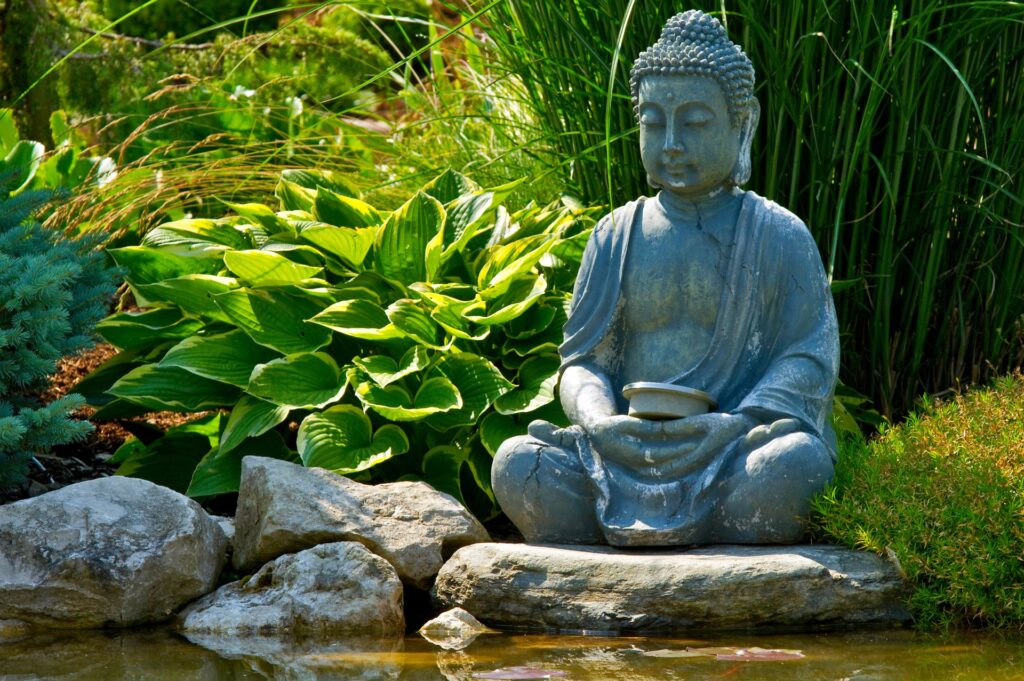
- Prayer beads or an image of the Buddha may be placed at the head
- The body may remain at home, a temple, or monastery for several days
This is a time for peaceful reflection and spiritual preparation.
3. Funeral Ceremony: Chanting, Offerings, and Compassion
Buddhist funerals are typically calm and contemplative. Held at a temple, home, or cremation site, they center on supporting both the deceased and the grieving family.
Ceremony elements include:
- Monks chanting sutras to guide the soul
- Offerings of incense, flowers, fruit, or light
- Talks or reflections on impermanence and loving-kindness
- Personal stories or expressions of gratitude from loved ones
It’s not just a farewell—it’s a spiritual act of care.
4. Cremation and Final Rites
Cremation is the most common practice, reflecting the teaching that the body is impermanent and not the true self.
During the cremation:
- Monks chant final blessings
- Family members may offer flower petals or prayers
- Afterward, ashes may be:
- Placed in an urn or columbarium
- Buried with a simple marker
- Scattered in a natural or sacred place
- Placed in an urn or columbarium
In Japanese traditions, a bone-picking ritual follows, where family carefully places remains in an urn using chopsticks—a gesture of love and continuity.
5. Mourning and Merit-Making
Grief is honored over time with structured rituals. Many families observe memorials on:
- The 7th, 49th, and 100th days after death
- Annually, on the death anniversary
- Important Buddhist holidays
Families often:
- Host monks for chanting
- Light incense and keep a home altar
- Perform good deeds (called merit-making) in the loved one’s name, like feeding the poor or donating to temples
These acts are believed to support the deceased’s peaceful rebirth and deepen healing for the living.
6. Cultural Variations Across Buddhist Traditions
While the core philosophy remains the same, Buddhist funeral practices differ depending on the country and school of thought.
Theravāda (Thailand, Sri Lanka, Myanmar):
- Monks play a central role in chanting and teaching
- Merit is transferred through acts of giving and generosity
- Simplicity is emphasized
Mahāyāna (China, Korea, Japan):
- Families maintain ancestral altars
- Ceremonies are often more elaborate, with processions and offerings
- Ongoing remembrance is integrated into family life
Tibetan Buddhism:
- The Bardo Thodol (Tibetan Book of the Dead) is read over 49 days
- Prayer flags, wheels, and offerings are used to guide the soul
- In rare regions, sky burial is practiced—offering the body to vultures as a final act of compassion and detachment
No matter the variation, the goal is always the same: peace for the deceased, and comfort for the living.
Frequently Asked Questions
Do all Buddhists cremate the body?
Not always. While cremation is common, some communities choose burial, especially if local tradition or resources require it.
Can non-Buddhists attend a Buddhist funeral?
Yes. Guests are welcome to observe and participate quietly. Respect for rituals and silence during chanting are appreciated.
What should I wear to a Buddhist funeral?
Wear simple, modest clothing—white is common in many traditions. Avoid bright colors or flashy accessories.
How long do Buddhist funerals last?
It varies. Some are brief, while others include multi-day rituals or follow-up memorials at 7, 49, or 100 days.
Can families personalize the ceremony?
Yes. While there is structure, personal touches—like photos, music, or shared memories—are welcome and meaningful.
A Mindful Way to Say Goodbye
Buddhist burial practices offer more than a ritual—they offer a way to approach loss with compassion, awareness, and grace. They remind us that grief is not something to push away, but something to meet with presence. And that death, while painful, is also part of the cycle of change and continuation.
By honoring our loved ones with care and intention, we support not just their transition—but our own path forward.
Because in Buddhism, as in life, every goodbye is also the beginning of something new.