Different faiths view cremation very differently. Here’s a friendly, clear breakdown of which religions permit, discourage, or prohibit it—and what typically happens to the ashes afterward.
Which Religions Do Not Cremate?
End-of-life decisions can feel deeply personal and are shaped by religion, tradition, and family. Cremation, in particular, is handled differently depending on faith and culture. Below is a respectful and straightforward overview of how major religions approach cremation and the care of ashes. Always check with local clergy or customs for specifics since practices can vary widely.
At a Glance
- Generally accept or prefer cremation: Hinduism, Buddhism, Sikhism, many Protestant branches, Jehovah’s Witnesses
- Allow cremation in some contexts: Roman Catholic (with guidelines), Reform Judaism, some LDS communities, Shinto (in Japan today)
- Generally discourage or prohibit cremation: Orthodox Judaism, Eastern Orthodox Christianity, Islam, Bahá’í Faith, traditional Zoroastrianism
1. Hinduism
Cremation is the norm, symbolizing life’s impermanence and the soul’s journey. The ashes are often scattered in a sacred river—which might include rivers like the Ganges—or carried to a place meaningful to the family. In rare cases—like for infants or spiritual leaders—burial may be chosen instead.
2. Buddhism
Buddhists usually cremate, but traditions differ. In many Asian cultures—whether Theravāda, Mahāyāna, or Vajrayāna—rituals follow cremation that can include chanting. Ashes may be kept at home, placed in a stupa, or scattered, depending on custom.
3. Sikhism
Cremation is the preferred choice, paired with evening prayers (like Ardas). Ashes are often immersed in water, symbolic of returning to the elements. Burial is acceptable only when cremation isn’t feasible.
4. Jainism
Cremation is the usual path, consistent with beliefs about detachment from the physical. Ceremonies remain modest, focusing on calm reflection. Some strict monastic traditions may prefer burial, but today’s lay practices usually involve fire.
5. Shinto (Japan)
Traditionally favored burial, but modern Japanese funerals—largely influenced by Buddhist rituals—now mostly practice cremation. Ashes are often placed in a family grave or kept in a temple niche.
6. Christianity
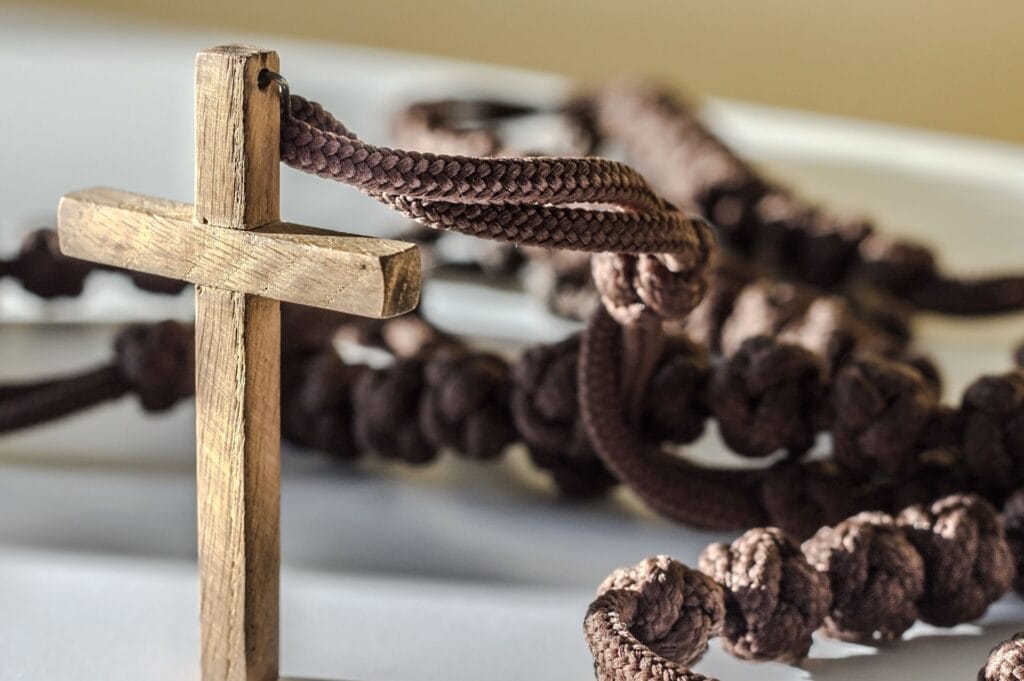
Roman Catholic Church – Once disallowed, now permits cremation if it’s not a denial of faith in resurrection. Ashes should be buried or placed in a columbarium—not scattered or kept at home. Funeral rites remain key.
Eastern Orthodox Church – Generally opposes cremation, emphasizing burial and the spiritual significance of keeping body and soul together until resurrection.
Protestant Denominations – Most allow cremation and focus more on how life is celebrated than on body disposition. Ashes might be buried, scattered, or placed in a niche, following local custom.
7. Judaism
Orthodox Judaism – Burial is required. Cremation is forbidden and generally not accepted in Orthodox cemeteries.
Conservative Judaism – Traditionally favors burial, but some communities allow cremation, depending on local rabbinical guidance.
Reform Judaism – Allows cremation and is open to varied practices, though burial in a cemetery remains a common choice.
8. Islam
Cremation is not permitted. Islamic law prescribes quick burial—preferably within 24 hours—after washing and shrouding, with salat prayers as a core part of the rite.
9. The Church of Jesus Christ of Latter-day Saints (LDS)
Burial is preferred, but cremation is allowed when needed. The focus remains on the spiritual hope of resurrection and family togetherness.
10. Jehovah’s Witnesses
Neither creed nor scripture forbids cremation—it’s allowed. The emphasis is simply on honoring life, with modest services and respectful final rites.
11. Bahá’í Faith
Cremation is not allowed. The body should be buried within one hour’s travel (or as soon as possible), wrapped in cloth—simple, dignified, and timeless in tradition.
12. Zoroastrianism
Traditional practices avoid both burial and cremation, opting for exposure to elements (Dakhma). In places where that’s not possible, burial may be allowed. Cremation is generally discouraged or disallowed by traditional leaders.

13. Humanists / Non-Religious
Those without religious affiliation often choose cremation for practical or environmental reasons. Memorials tend to focus on stories, music, or nature. Ashes may be scattered, buried, or kept as a personal keepsake following local laws and preferences.
What Usually Happens to the Ashes After Cremation?
| Practice | Common in These Faiths |
| Scattering in water | Hinduism, some Buddhist traditions, Sikhism, secular |
| Burial or columbarium | Catholic, Reform Protestant, Reform Judaism, Shinto, LDS |
| Family plots at home | Shared across many traditions where allowed |
| No choice / not permitted | Islam, Orthodox Judaism, Bahá’í, Zoroastrianism |
FAQs
Which religions prohibit cremation entirely?
Islam, Orthodox Judaism, Eastern Orthodox Christianity, Bahá’í Faith, and traditional Zoroastrianism all generally prohibit cremation.
Which religions usually allow it?
Hinduism, Buddhism, Sikhism, many Protestant denominations, and Jehovah’s Witnesses accept or prefer cremation. Some communities within Catholicism, Reform Judaism, and LDS also do.
Can ashes be scattered if cremation is allowed by faith?
Depends on the tradition. Hindu and some Buddhist followers often do. Catholic and many Jewish traditions prefer burial of ashes, not scattering. Always check guidance specific to the faith.
Do local practices matter?
Yes. Cultural norms, laws, and local clergy guidance shape how rituals are performed—even within the same religion.
Your faith—and the traditions that come with it—play a big role in how we say goodbye. This overview gives you a respectful starting point, but local customs and spiritual leaders will always guide the details that matter most.