Alternatives to cremation include six options: Green burial returns the body naturally to earth using biodegradable materials. Human composting transforms remains into nutrient-rich soil. Aquamation uses water instead of flame. Tree burial allows your body to nourish a living tree. Body donation advances medical science. Modern carbon-neutral cremation offers eco-friendly flexibility. Costs range from free…
When planning end-of-life arrangements, most people assume they’re choosing between two paths: traditional burial or traditional flame cremation. But today’s options extend beyond these conventional choices.
More people are seeking alternatives that honor both their values and the environment, without exceeding their budget. And many are simply looking for meaningful, nature-centered options that feel more personal than conventional services. In this guide, we’ll explore six distinct alternatives—from green burial and human composting to aquamation and tree burial. We’ll cover what each option entails, costs, and availability. You’ll also learn that cremation itself has evolved significantly, with modern services offering greater transparency, flexibility, and environmental advantages.
1. Green burial (natural burial)
Green burial returns the body to the earth naturally, using biodegradable materials and skipping embalming fluids entirely. The body is placed directly in the ground—often in a simple shroud or biodegradable casket—where it decomposes and nourishes the soil.
Why People Choose Green Burial
According to the National Funeral Directors Association, more than 60% of Americans say they’re interested in green and natural burial alternatives. The appeal is clear: authenticity, simplicity, and a gentler environmental footprint.
Cost comparison
- Traditional funeral with burial: $10,000 (median)
- Green burial: $6,300 (median, without monument or vault)
Beyond the cost savings, green burial eliminates the environmental impact of embalming chemicals, concrete vaults, and non-biodegradable caskets.
Where green burials happen
Green burials take place at designated natural burial sites, often called “green cemeteries” or “conservation burial grounds.”
A modern example is Larkspur Conservation, which operates conservation burial grounds—protected green spaces dedicated entirely to natural burial. These sites preserve land while creating peaceful memorial landscapes.
Modern green burial options
Not ready to give up the idea of a casket entirely? Some companies are reimagining what a coffin can be. Loop has created the Loop Living Cocoon™ is the world’s first coffin made from living mushrooms. Grown in just seven days from mushroom mycelium and upcycled hemp fibers, it returns to the earth within 45 days—actively enriching the soil as it decomposes. It’s lined with soft moss (other natural linings available) and comes in “Calm” or “Wild” color options. The Living Cocoon is certified for natural burial, traditional burial, and even cremation.
Who green burial Is right for
Green burial appeals to those who want to leave a lighter footprint on the earth. It’s ideal for nature lovers, environmental advocates, and anyone drawn to the idea of returning to the earth without barriers or chemicals.
Considerations: Green cemeteries may be limited in your area, and some religious or cultural traditions may prefer different approaches.
2. Natural organic reduction (human composting or soil cremation)
Natural organic reduction (also called human composting or soil cremation)—is an eco-friendly process that transforms the body into nutrient-rich soil. Think of it as accelerated natural decomposition, guided by the same microbes and processes that already exist in nature.
The body is placed in a vessel with wood chips, alfalfa, and straw. Over 30-45 days, naturally occurring microbes break everything down into approximately one cubic yard of soil—enough to fill a pickup truck bed. Families receive this soil to use in their garden, donate to conservation land, or return to the earth in a meaningful place.
Why people choose natural organic reduction
For many, the idea of becoming soil feels more meaningful than conventional options. You’re not just disposed of, you’re actively nourishing new life. It’s a final act of giving back.
It’s also one of the most environmentally gentle options available. Human composting uses minimal energy, produces no emissions, and creates something useful rather than requiring permanent land use or releasing carbon into the atmosphere.
Cost
Human composting: $5,000-$7,000
Costs vary by provider and location. Be sure to ask what’s included—transportation, permits, death certificate filing, and family support services can differ significantly between companies.
Where Human Composting Is Available
Natural organic reduction is currently legal in six states:
- Washington
- Colorado
- Oregon
- Vermont
- California
- New York
Who human composting Is right for
This option is ideal for gardeners, nature lovers, and anyone drawn to the circle-of-life concept in a literal way.
Considerations: Geographic availability is the biggest limitation. If you don’t live in one of the six states where it’s legal, this option isn’t currently accessible. The process also takes 30-45 days, which means families need to plan memorial services accordingly.
Interested in natural organic reduction? Everis offers a complete cremation package that includes everything you need from carbon-neutral cremation to nature memorial and all of the details in between. Carbon-neutral flame cremation comes standard in every package; but you can also choose soil cremation (natural organic reduction). Learn more
3. Aquamation (alkaline hydrolysis or water cremation
Aquamation—also called water cremation or alkaline hydrolysis—is a water-based alternative to cremation that uses a gentle chemical process rather than flame. If you’re looking for cremation alternatives that maintain the same end result with a lighter environmental footprint, aquamation offers an elegant solution.
How aquamation works
The body is placed in a stainless steel vessel filled with water and potassium hydroxide (an alkali solution). The chamber is gently heated and pressurized, accelerating the natural decomposition process that would occur in soil—but in 3-4 hours instead of years. The process breaks down everything except bone, which is then processed into fine particles similar to cremated remains and returned to the family.
The resulting liquid is sterile and safe, containing amino acids, sugars, and salts—the same components created in natural decomposition. This water can be returned to the ecosystem through normal wastewater treatment systems.
Environmental benefits
Aquamation uses 90% less energy than flame cremation and produces no direct emissions—no greenhouse gases, no mercury from dental fillings released into the air. For those comparing alternatives to cremation based on environmental impact, aquamation stands out as one of the gentlest options available.
Cost
Aquamation: $2,500
While aquamation is legal in most states, finding a provider can still be challenging. Many funeral homes don’t yet offer this service, so availability varies significantly by location.
Who aquamation is right for
This option appeals to those who want the practical benefits of cremation—receiving cremation ashes, flexibility in memorial timing, lower cost than burial—but with significantly lower environmental impact. It’s particularly meaningful for environmentally conscious families who still want a familiar outcome.
Interested in aquamation? Everis offers a complete cremation package that includes everything you need from carbon-neutral cremation to nature memorial and all of the details in between. Carbon-neutral flame cremation comes standard in every package; but you can also choose water cremation (aquamation). Learn more
4. Tree burial
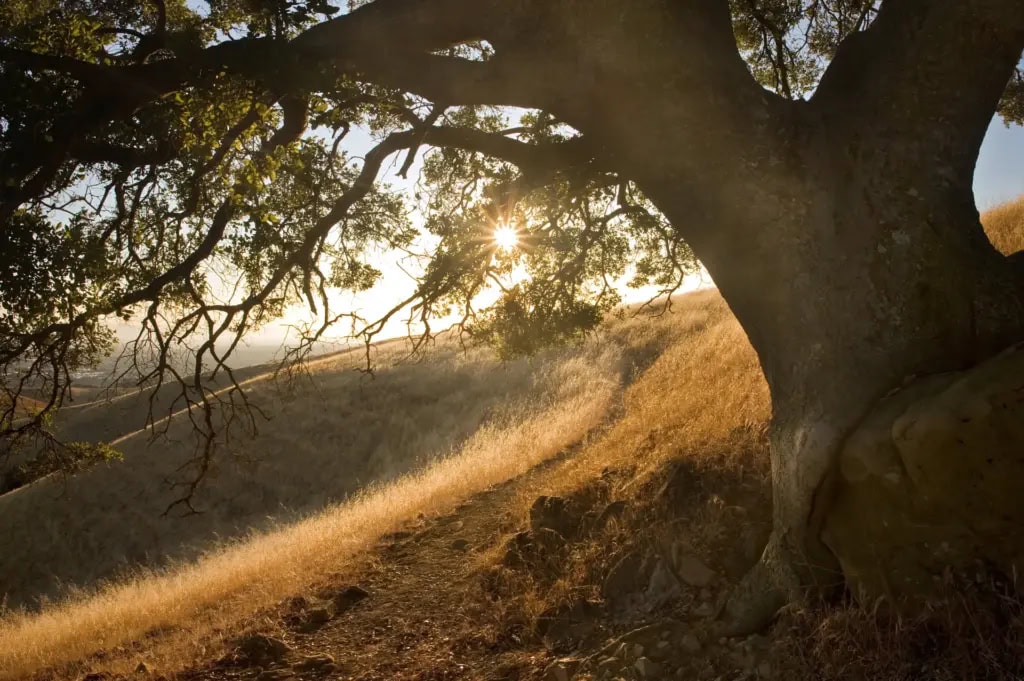
Tree burial is a natural burial practice where your body is interred directly beneath a young tree, allowing your remains to literally nourish and become part of that living tree as it grows.
How tree burial works
The body is wrapped in 100% biodegradable flax linen and placed on a bed of locally sourced wood chips that promote natural decomposition. A blend of mycorrhizal fungi, soil, and wood chips is layered above—creating a nutrient bridge between your remains and the tree. This fungi acts as nature’s delivery system, transferring nitrogen and phosphorus from your body directly to the tree’s roots. As the young tree grows above, its roots form a symbiotic connection with the fungi network.
Availability
Tree burial is currently offered by Transcend at their forest location in Half Moon Bay, California.
Who tree burial is right for
This option appeals to those who love the idea of becoming a tree without cremation—literally transforming into new life rather than simply returning to soil. It’s ideal for nature lovers, environmentalists, and anyone drawn to the idea of a living memorial that grows stronger over time.
Interested in tree burial? Everis offers a complete cremation package that includes everything you need from carbon-neutral cremation to nature memorial and all of the details in between. This includes spreading your ashes in a shared grove of beautiful trees or at a private, mature Memorial Tree. Learn more
5. Body donation to science
Body donation allows you to contribute to medical education and research after death. Your body is used by medical schools to train future doctors, or by research institutions studying diseases, surgical techniques, and human anatomy. For those considering alternatives to cremation that serve a greater purpose, body donation offers a path of lasting contribution.
Cost
Body donation is typically free. Most programs cover transportation of the body and cremation after the donation period ends. Cremated remains are usually returned to the family 1-3 years later, though timelines vary by program.
This makes body donation one of the most affordable end-of-life options available.
The Process
Registration is required in advance. You cannot arrange body donation at the time of death—you must pre-register with an accredited program and receive acceptance before passing.
Important
Not all bodies are accepted. Programs may decline donation based on:
- Cause of death
- Certain infectious diseases
- Autopsy requirements
- Condition of the body
- Current program capacity
Even if you’re pre-registered, there’s no guarantee your donation will be accepted when the time comes.
What happens after donation
Bodies are used for medical student training, surgical practice, or research studies. The donation period typically lasts 1-3 years, after which the body is cremated and remains are returned to the family.
Who body donation is right for
This option appeals to those who want their final act to advance medical knowledge and training. It’s meaningful for educators, healthcare workers, and anyone who values contributing to science that will help future patients.
Considerations
Families cannot have a traditional viewing or service with the body present before donation. Some families hold memorial services without the body, but if a traditional funeral is important to your loved ones, body donation may not be the right fit.
6. Modern Carbon-Neutral Cremation
Cremation has evolved beyond just an alternative to traditional burial—it’s now the preferred choice for nearly 60% of Americans. The reasons are clear: accessibility, flexibility, environmental impact compared with burial, and increasingly transparent pricing. Modern cremation services are making this option even more desirable, offering families transparency, dignity, and meaningful choices.
Everis: redefining cremation Everis takes modern cremation further. Not only can you plan every detail from first contact to celebration of life entirely online, but the emphasis is on being genuinely eco-friendly by offering carbon-neutral cremation.
Everis’s Memorial Climate Plan offsets the carbon emissions of transportation (up to 60 miles) and the cremation service itself. This transforms cremation from a necessary service into an environmental positive—or at minimum, carbon neutral.
Plus, Everis partners with Better Place Forests to offer beautiful returns to nature in protected memorial forests. You can choose private Memorial Trees or shared Spreading Groves, giving your loved one a living legacy that protects land for generations along with a beautiful Nature Memorial ceremony.
Complete Cremation Arrangements
$4,150
Payment plans available
Everything you need, nothing you don’t
- Respectful transportation into our care
- Paperwork, permits, and death certificates
- Carbon-neutral cremation
Aquamation & natural organic reduction coming soon. - Ashes returned in a thoughtful container
- Interactive online obituary
- Resting place in a Spreading Grove
- Self-led Nature Memorial ceremony in a Spreading Grove
- Small, simple Memorial Marker in a Spreading Grove
- Estate settlement assistance & ongoing grief support

Making your decision
Choosing among alternatives to cremation is deeply personal. The right answer depends on what matters most to you and your family.
Consider these questions:
- What are your environmental values?
- What’s your budget?
- Where do you live?
- What do your loved ones need?
- What feels meaningful to you?
There’s no universal “right” answer. The best choice honors your values, fits your circumstances, and feels meaningful to you and those you love.
Ready to explore your options? Whether you’re considering alternatives to cremation, or interested in modern, carbon-neutral cremation services, Everis can help you understand your options and make arrangements that reflect your values. No pressure, just honest guidance. Talk to Guide today