Thinking beyond traditional burial? You’re not alone. Today, more families are exploring unique and meaningful ways to honor a loved one’s life while staying true to their values. From sustainable practices to creative memorials, these 7 burial alternatives offer something more personal—and often more affordable—than the standard casket-and-cemetery route.
Burial Alternatives That Are Changing the Way We Say Goodbye
Traditional burial isn’t the only option anymore. As costs rise and more people seek meaningful, eco-conscious ways to say goodbye, new possibilities are emerging—ways that honor life, protect the planet, and reflect who someone truly was.
Whether you’re pre-planning or remembering someone you love, here are seven modern burial alternatives that offer flexibility, affordability, and purpose.
1. Direct Cremation
Direct cremation is simple, affordable, and adaptable to any memorial style.
Here’s how it works:
- The body is cremated shortly after death without a formal funeral.
- Ashes are returned to the family, who can then hold a ceremony later—on their own terms.
Why people choose it:
- It’s cost-effective
- Allows time and space to grieve before planning
- Easily combined with other memorials, like tree planting or scattering ashes
2. Aquamation (Water Cremation)
Also known as alkaline hydrolysis, aquamation uses water instead of fire to return the body to its natural elements.
Why it’s gaining popularity:
- Uses 90% less energy than flame cremation
- No emissions or harsh byproducts
- The result is the same: ashes returned to the family
It’s gentle, sustainable, and increasingly available in many states.
3. Natural (Green) Burial
Green burial returns the body to the earth as naturally as possible. That means:
- No embalming chemicals
- Biodegradable shrouds or simple wooden caskets
- Burial in a natural area without a concrete vault
Often held in forested or meadow-style cemeteries, green burials offer peace, simplicity, and a smaller environmental footprint.
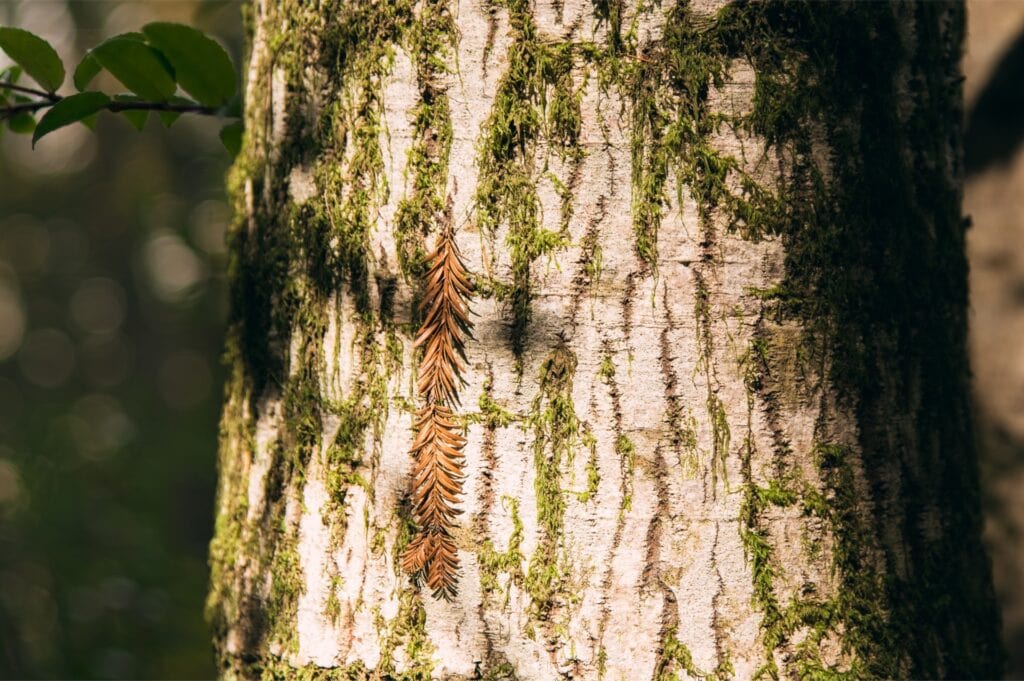
4. Tree Burial or Memorial Tree Planting
For a living legacy, many families choose to plant a tree using ashes.
How it works:
- Ashes are placed in a biodegradable urn or blended with soil
- A tree is planted—at home or in a memorial forest
- Some forests provide long-term protection and care
It’s a powerful, symbolic way to celebrate growth, memory, and connection to the earth.
5. Burial at Sea
A timeless tribute for ocean lovers, burial at sea includes:
- Scattering ashes into the water (with the proper permits)
- Using biodegradable urns designed to float and sink
- Full-body sea burials (more regulated, but still an option)
It’s peaceful, open, and meaningful—especially for those who felt at home near the water.
6. Body Donation to Science
Donating your body for medical research or education is a way to leave a lasting impact.
What to know:
- Must be arranged in advance through an approved program
- No cost to the family
- After study, cremated remains are often returned
- Some institutions host annual remembrance ceremonies
It’s a selfless act of service that supports future healthcare and learning.
7. Memorial Diamonds and Keepsake Art
Some families want a personal, physical reminder of their loved one. Today, you can:
- Create a lab-grown diamond from cremated ashes or hair
- Commission glass or resin art infused with ashes
- Design wearable jewelry as a daily tribute or memorial marker
These options turn memory into something you can hold close, offering beauty and meaning.
Choosing the Right Alternative
There’s no single “right” way to honor a life. The best choice is the one that aligns with your values, your budget, and what feels meaningful.
Consider:
- Would your loved one prefer something natural, simple, or creative?
- Do you want a place to visit—or a way to carry them with you?
- Are you planning now for yourself, or honoring someone who’s passed?
Many families begin with direct cremation, then take time to design a personal, heartfelt memorial afterward.
Frequently Asked Questions
Are these alternatives more affordable than traditional burial?
Often, yes. Direct cremation, green burial, and body donation are especially cost-effective compared to casket burial.
Can we still have a ceremony with cremation or aquamation?
Absolutely. You can hold a celebration of life, scattering, or private gathering—whenever it feels right.
Is green burial allowed everywhere?
It depends. Some cemeteries have green sections, and there are also dedicated green burial preserves. Check with local providers.
What can we do with ashes afterward?
Ashes can be scattered, buried, kept in urns, used in memorial art, or planted with a tree.
Can I pre-plan one of these options?
Yes. Pre-planning lets you make clear choices and reduces stress for your loved ones. Many providers offer planning tools and guidance.
A New Way to Be Remembered
Whether you choose to become a tree, return to the sea, give back through science, or create something beautiful from ashes, your legacy can reflect what mattered most.
In the end, it’s not just about how we go. It’s about how we’re remembered—and how we choose to live on.
The way we say goodbye is changing. Today, we have options that speak to who we are—creative, conscious, and connected to the world around us.