Christian funeral traditions offer a blend of sacred ritual, personal reflection, and hope in the promise of eternal life. Whether you’re planning a Christian funeral or attending one for the first time, understanding the customs can bring comfort and help you participate with respect. In this guide, we’ll walk through common Christian funeral practices, the…
Christian Funeral Traditions
For Christians, death is framed not as an end, but as a transition—in faith, hope, and promise. Christian funerals reflect beliefs in resurrection, eternal life, and God’s mercy. The rituals, prayers, music, and symbols serve to honor the one who has died, and to comfort those left behind by anchoring loss in hope.
Here are the customs and traditions many Christian families follow. They may vary by denomination, culture, or preference—but the heart motive is often the same: to honor life, mourn with community, and affirm faith.
1. Purpose & Meaning Behind Christian Funerals
Christian funerals tend to have three interwoven aims:
- To celebrate and remember the life of the deceased—what they loved, how they lived.
- To comfort those grieving through Scripture, prayer, communal support.
- To look forward: affirming the hope in resurrection, eternal life, the promise that death does not have the final word.
These purposes show up in the structure, tone, and symbols of the funeral service.
2. Typical Order of a Christian Funeral
While details differ, many Christian funerals follow similar stages: wake/visitation, funeral service, committal or graveside rites, and then gatherings for fellowship.
Wake / Visitation:
Friends and family gather prior to the formal service—offering condolences, sharing memories, often with the body present (if applicable). In Catholic tradition, this might include recitation of the Rosary or a vigil.
Funeral Service:
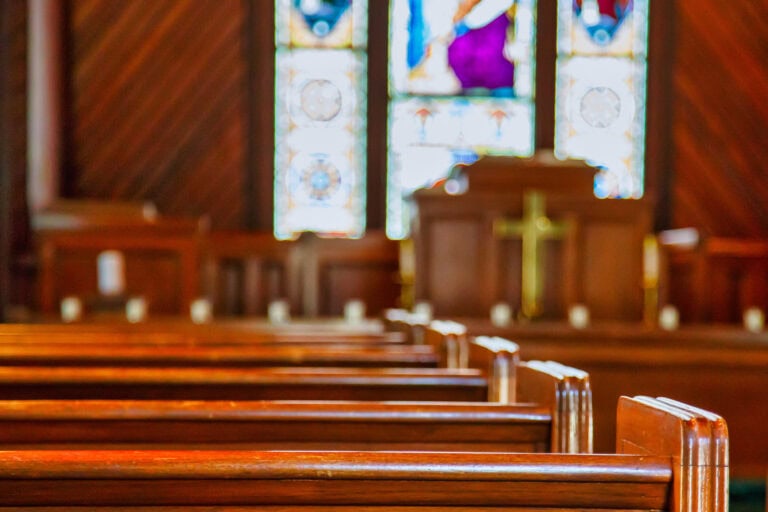
Held in a church or chapel, led by a pastor/priest/minister. Key components often include:
- Scripture readings (e.g. passages about resurrection, comfort, God’s promises).
- Hymns or Christian music.
- Prayer(s) for the deceased, for the family, for hope.
- A sermon or homily that connects faith to life and death.
- Eulogy or personal tributes (depending on denomination). Some Christian traditions encourage or limit eulogies.
Committal / Graveside Service:
After the service, there is often a procession to the burial site. A final prayer or blessing, perhaps scripture, lowering of the casket, additional words of comfort.
3. Cremation & Christian Views
Cremation is increasingly accepted in many Christian denominations. The Catholic Church, for example, permits cremation under certain conditions, though it still holds burial as traditionally more aligned with beliefs about the body and resurrection.
When cremation is chosen, Christian etiquette generally emphasizes:
- Treating cremated remains with the same respect as a body.
- Holding services that include Christian liturgy, prayers, perhaps a Mass, even if the body is not present
4. Symbols, Rituals & Traditions You’ll Often See
Christian funerals commonly include meaningful symbols and ritual actions such as:
- The cross (on the coffin, in the church) as a central Christian sign of Christ’s death and resurrection.
- Holy water, incense, and blessings. These are especially common in Catholic and Orthodox traditions.
- Lighting of candles to symbolize Christ as light, hope, resurrection.
- White garments or a funeral pall in some liturgical traditions to represent purity or resurrection.
5. Denominational Variations
Christianity is broad, so here are some differences in practice among denominations:
Catholic
- Funeral Mass is central. A Vigil or wake beforehand, the Requiem Mass, then committal.
- Prayers for the soul, including in cases involving purgatory. Holy water, use of incense, sometimes the rosary.
Protestant (Mainline, Evangelical, Anglican, etc.)
- Often less formal liturgy than Catholic or Orthodox, with more flexibility. May include favorite hymns, more personal reflections.
- Emphasis on sermons about life, faith, hope, scriptural promises.
Orthodox (Eastern Orthodox, e.g.)
- Very rich, traditional ritual involving chanting, liturgical rites, prayers over multiple days in some cultures. Blessings, processions, icons.
6. Etiquette: What Participants & Attendees Can Expect
To show respect and participate meaningfully, here are common etiquette practices:
- Dress modestly and respectfully. Dark or subdued colors are often preferred.
- Arrive on time, or even a bit early, especially for visitation or wake.
- Observe silence or subdued behavior during prayers, scripture readings.
- Participate in hymns or responses if expected.
- Respect the wishes of the family or church regarding bodies, urns, or memorials (photo policies, eulogies, etc.).
7. Mourning, Memorial & Legacy Practices
Even after the funeral, Christian traditions offer practices that help people remember and honor their loved one:
- Memorial services on the anniversary of death or All Souls’ Day.
- Visiting graves, leaving flowers or tokens.
- Doing charitable acts or prayers in the deceased’s name.
- Keeping family altars, prayer candles, or displaying symbols of the loved one.
FAQs
Do all Christian churches agree on funeral practices?
No. Practices vary by denomination, culture, and individual church policy. Some churches have stricter liturgies, others are more flexible.
Is cremation acceptable in Christianity?
Yes, in many Christian traditions—including Catholicism—but with guidance that the remains be treated with respect. The body is still honored even after cremation.
What should I wear?
Modest, respectful clothing is generally appropriate. For many, dark or neutral colors are preferred.
Can people who are not Christian attend?
Absolutely. Most Christian funerals welcome friends, family, neighbors, or anyone who wants to honor the deceased. Just be mindful of customs (dress, silence, when to stand/sit, etc.).
Can I personalize a Christian funeral?
Yes. While many traditions have structured rituals, it’s common and often welcomed to include favorite hymns, readings, stories, or visual tributes that reflect the personality of the deceased.
Toward a Respectful and Hopeful Farewell
Christian funeral traditions offer a framework for grief, hope, remembrance, and community. The rituals of scripture, prayer, music, and committal help mourners feel both loss and connection to something larger—eternal life, grace, reconciliation.
If you are planning one, or supporting someone who is, lean into what feels authentic to faith, values, and the life of the person you’re honoring. The traditions matter because they carry centuries of meaning—but the heart of it is love, remembrance, and hope.