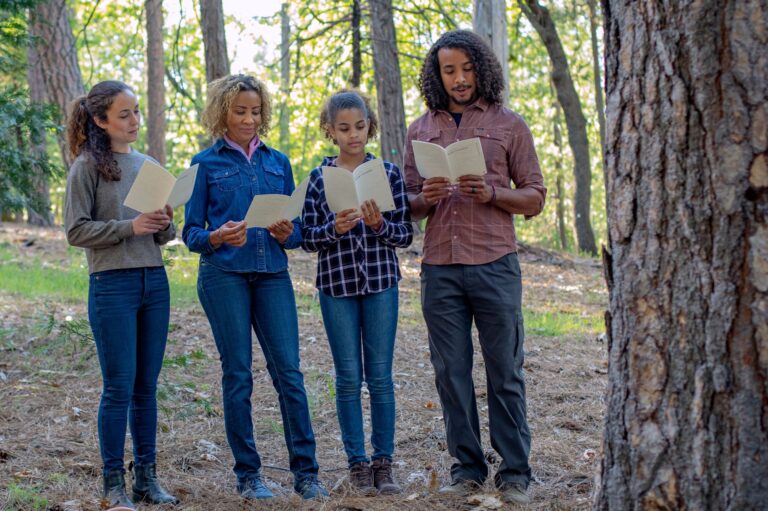
Losing a parent is one of life’s most profound losses. Whether your grief is fresh or years have passed, finding ways to honor your mom or dad can bring comfort, healing, and a lasting sense of connection. In this guide, we’ll share 10 meaningful ways to celebrate their memory and keep their legacy alive—on anniversaries,…
10 Meaningful Ways to Honor a Deceased Parent
When a parent dies, the world changes. Even if you were prepared, the absence is deeply felt—every holiday, milestone, or quiet moment can feel incomplete. But honoring your parent’s memory doesn’t have to be somber. In fact, many people find peace and even joy in remembering their loved ones through action, ritual, and personal connection.
Here are 10 beautiful and meaningful ways to keep your parent’s spirit alive in your everyday life.
1. Create a Memory Space at Home
Set aside a small area in your home to honor your parent. This could be a shelf, a corner, or even a full wall. Include photos of special moments, a candle or lamp you light on significant dates, small keepsakes or items that remind you of them, and a journal or memory book. It becomes a quiet place to reflect, remember, and feel close to them.
2. Carry on a Beloved Tradition
Was there a holiday tradition, favorite recipe, or special way your parent marked birthdays or Sunday dinners? Keep it going. Carrying on their traditions keeps their presence woven into your life—and can become something you pass down to future generations.
3. Plant a Tree or Garden in Their Honor
Nature offers powerful symbolism in times of grief. Planting a memorial tree, rose bush, or garden bed is a living tribute that grows alongside your memories. You can plant in your backyard, at a memorial forest, or in a local park (with permission). Add a stone, plaque, or bench nearby for reflection and remembrance.
4. Write Them a Letter
When words go unsaid, grief lingers. Writing a letter to your parent—even years after their passing—can be deeply healing. Write about what’s been happening in your life, how much you miss them, things you wish you’d said, and gratitude for their love or lessons. You can keep the letter in a journal, read it aloud, or even place it by their grave or memorial tree.
5. Make a Donation or Support a Cause They Cared About
Was your parent passionate about a cause? Did they love animals, the environment, education, or community work? Make a donation or volunteer in their honor. Some people even start small scholarships or fundraising campaigns in their parent’s name. It’s a way to transform grief into good—and continue the values they held dear.
6. Create a Legacy Project
Take your time and build something meaningful: a scrapbook or photo album of their life; a video montage with music and family clips; a digital timeline or family tree; a book of letters or stories from friends and relatives. Legacy projects can become cherished family heirlooms—and offer healing through creativity and connection.

7. Visit a Place That Reminds You of Them
Whether it’s your childhood home, a favorite vacation spot, or a quiet park, going somewhere that holds shared memories can bring comfort. You might bring flowers or a photo, sit in silence and reflect, listen to a song they loved, or say a few words aloud. Being in a space they once loved helps you feel their presence again, even for a moment.
8. Light a Candle on Special Days
Lighting a candle is a timeless act of remembrance. You can do this on their birthday, the anniversary of their passing, holidays or family gatherings, or whenever you’re missing them. Say a short prayer, reflect in silence, or simply let the light represent their lasting love.
9. Cook Their Favorite Meal or Recipe
Food holds memory. Making your parent’s favorite dish—or something they used to cook for you—is a sensory way to reconnect. You can make it part of a celebration of life, a solo ritual just for you, or a shared tradition with your own kids or family. Bonus: Handwrite the recipe and keep it in your memory box or kitchen drawer.

10. Talk About Them—Often
Sometimes we hesitate to talk about those we’ve lost. But the more we speak their name, share their stories, and laugh about their quirks, the more alive their memory becomes. Share stories with your kids or grandchildren, siblings or close friends, new people who never got to meet them. It keeps their essence alive in your heart and in your community.
Honoring a Parent on Special Days
Anniversaries, birthdays, and holidays can be especially tough. Here are some gentle ideas to mark those days with intention: take the day off and spend it in nature; write in a grief journal or revisit old letters; do something they loved—hiking, baking, gardening; start a “kindness day” in their honor. Grief doesn’t follow a straight line, but acts of remembrance can provide comfort and structure.
Frequently Asked Questions
1. Is it normal to still miss my parent years later?
Absolutely. Grief has no timeline. It’s normal to feel their absence deeply even decades later—especially on meaningful days.
2. What if I didn’t have a good relationship with my parent?
Honoring a parent can still be part of your healing. Focus on what feels right for you—whether that’s letting go, setting boundaries, or remembering specific moments.
3. Can I combine these ideas with a memorial tree or cremation ashes?
Yes. Many families use cremated ashes in memorial tree plantings or place keepsakes at home altars, gardens, or celebration of life events.
4. Is it okay to cry or feel joy when honoring them?
Yes to both. Grief is full of mixed emotions. Laughing, crying, reflecting, and smiling—all of it is welcome.
Keeping Their Legacy Alive
Your parent helped shape your story—and their memory lives on through you. By honoring their life with intention, you carry forward not just their memory, but their love, values, and spirit. Whether you light a candle, plant a tree, or simply whisper “I miss you” into the wind, each act is a thread that keeps your bond alive. They may be gone from this world, but they’ll never be gone from your heart.