Losing someone you love is never easy. And when it comes time to decide where to scatter their ashes, you want everything to feel right—meaningful, peaceful, and yes, legal.
Arizona offers some of the most breathtaking places imaginable for a final goodbye. Desert sunsets. Towering ponderosa pines. Red rock formations. But here’s what most people don’t realize: there are specific rules you need to follow, permits you may need to get, and restrictions you need to know about.
This guide walks you through everything, step by step, so you can focus on honoring your loved one instead of stressing about paperwork.
Quick Navigation: Spreading Ashes in Arizona
Is Spreading Ashes Legal in Arizona?
Do You Need a Permit?
Where You Can Spread Ashes in Arizona
Where Scattering is Prohibited
What happens if you dispose of ashes without permission?
Who gets to decide where ashes are spread?
What does ash spreading cost?
The hidden costs of DIY scattering
Is spreading ashes legal in Arizona?
Yes, absolutely. And here’s the good news: Arizona is one of the more relaxed states when it comes to scattering ashes.
Unlike some states that have strict permit requirements, Arizona has no state laws governing where you may keep or scatter ashes. The cremation process makes ashes harmless—they don’t pose any health or environmental threat.
That said, you can’t just scatter ashes anywhere without thinking it through. Common sense and respect for others should guide your decisions. Keep the scattering discreet, away from public view, and always get permission when required.
Do you need a permit in Arizona?
Unlike California, Arizona doesn’t require a state-issued permit specifically for scattering ashes. However, there are a few things you need to know:
Before cremation
Arizona law requires that the county medical examiner must approve the cremation. Additionally, the deceased person must have authorized cremation in a witnessed or notarized document, or an authorizing individual (like the executor or next-of-kin) must sign a form authorizing cremation.
Arizona also observes a mandatory waiting period of 24 hours from the time of death before cremation can take place.
Location-specific permits
While the state doesn’t require a scattering permit, specific locations require their written permission or permits.
Where can you spread ashes in Arizona?
Arizona’s diverse landscapes—from the Sonoran Desert to alpine forests—offer countless meaningful locations. Here’s what you need to know about each option.
Private property
Scattering on private property is the easiest route, especially if it’s your own land. No extra permits, no waiting periods, no restricted zones.
- Written permission from the property owner (if it’s not your land)
- Compliance with local ordinances
If you’re scattering on someone else’s property—like a family cabin or a friend’s ranch—it’s best to get permission in writing to avoid trespassing or legal issues. A simple signed letter works fine.
What the permission letter should include:
- Date and full property address
- Property owner’s name
- Clear statement: “I give permission to scatter [person’s name]’s ashes”
- Where on the property you’ll scatter
- Date of the ceremony
- A note that you’ll comply with local ordinances
This is just a one-time permission for scattering, you won’t have guaranteed access rights, especially if the property gets sold or developed.
Scattering by air
Want to scatter ashes from the air? Arizona has no state laws prohibiting aerial scattering, and several private airplane companies offer this service.
What you need:
- FAA approval (charter services handle this)
- A professional pilot familiar with scattering regulations
- Proper equipment (ash-scattering tubes, not containers)
Federal aviation laws prohibit dropping any objects that might cause harm to people or property. The U.S. government doesn’t consider cremains hazardous—just make sure you remove ashes from any container before scattering and hold onto the urn.
Public lands
Arizona has millions of acres of Bureau of Land Management (BLM) land where scattering is generally permitted without special authorization. Use common sense:
- Scatter away from trails, roads, and developed areas
- Avoid waterways and water sources
- Keep the ceremony private and respectful
- Don’t leave containers, markers, or memorials behind
Water scattering
Want to scatter ashes in Arizona’s waters? It’s possible, but federal law applies.
The rules per the EPA and Clean Water Act:
- Remove ashes from the container first (or use a biodegradable urn)
- No scattering from beaches or shorelines
- Everything you release must be biodegradable (flowers, wreaths, etc.)
State parks
Arizona State Parks have varying policies. Some allow scattering with advance notice or permission from the park ranger. Popular options include:
- Red Rock State Park (Sedona) – Contact the park ranger in advance
- Kartchner Caverns State Park – Confirm policy by calling the park office
- Dead Horse Ranch State Park – Check with park administration
Always contact Arizona State Parks before planning a scattering to confirm current policies.
National parks & forests
Each national park has its own rules. Some allow scattering with permits; others prohibit it entirely.
Parks that allow scattering with a permit:
- Saguaro National Park (Tucson) – Requires a special use permit and has ash dispersal guidelines. Contact the superintendent’s office to submit a formal request.
- Petrified Forest National Park – Check current policies, as rules may vary.
Parks where scattering is prohibited:
- Grand Canyon National Park – Scattering is no longer permitted. According to the park, this decision was made after consultation with 11 associated Native American tribes. The practice is considered disrespectful to many indigenous people and traditional communities.
For national forests (like Coconino, Tonto, or Apache-Sitgreaves), scattering is generally allowed with some guidelines:
- Stay away from trails, campgrounds, and developed areas
- Avoid water sources
- Keep the ceremony private
- Leave no trace—no markers or containers
Did you know? Everis has four stunning Memorial Forest locations in Yosemite Gateway, Lake Arrowhead, Santa Cruz and Point Arena. Each protected forest is of high conservation value, supporting wildlife, and offering a natural resting place with ongoing forest stewardship.
Memorial Forests
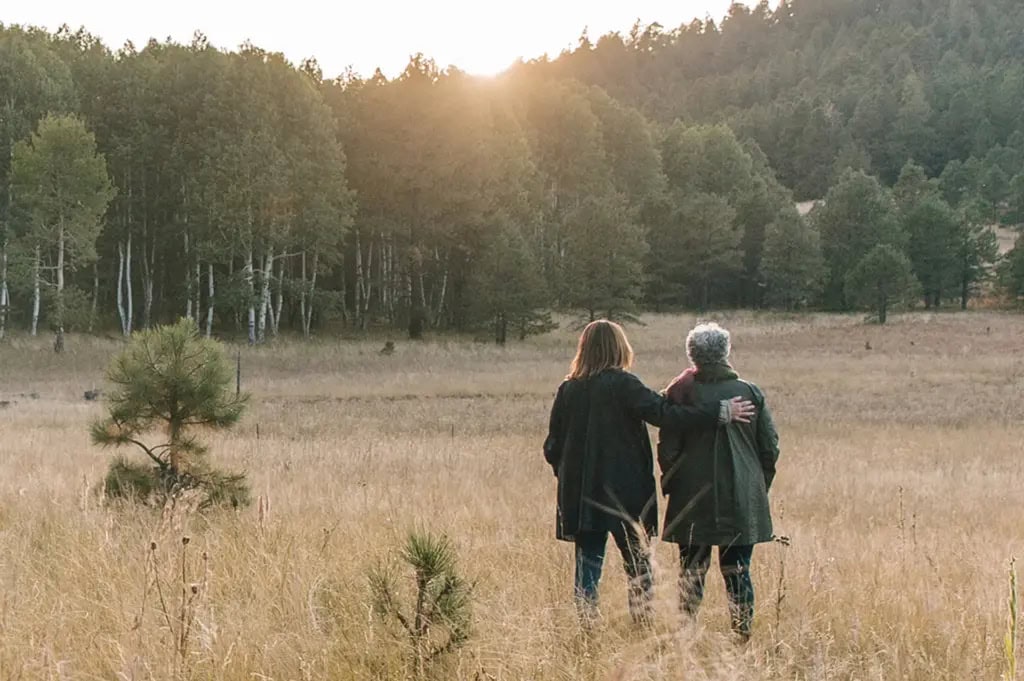
Here’s the option most people don’t know about: dedicated Memorial Forests designed specifically for spreading ashes. Instead of tombstones in cemeteries, your loved one’s ashes become part of a forest ecosystem—protected forever through conservation.
Thousands of families trust Everis for compassionate cremation services and nature-connected memorials where everything is handled for you. No bureaucracy, no applications, no wondering if you’re following the rules.
Why they’re worth considering:
- All permits and permissions are handled for you
- Memorial forests are legally conserved land that can never be developed
- Exact GPS coordinates are recorded forever
- Perpetual access rights for your family
- Personalized memorial markers mark your place
- Professional care and maintenance included
Flagstaff Memorial Forest (Coconino County) – 160 acres of open meadows, old-growth ponderosa pines, and alpine light just north of Flagstaff
Where scattering ashes is prohibited
Some places are off-limits, no matter what:
Grand Canyon National Park
As mentioned above, the Grand Canyon has permanently suspended scattering permits out of respect for the 11 associated Native American tribes who have lived in and around the canyon for thousands of years.
Public venues
Use common sense—you can’t scatter ashes at ballparks, amusement parks, concert halls, or similar public venues.
Water sources
Avoid scattering in or near:
- Drinking water reservoirs
- Streams or rivers without proper authorization
What happens if you dispose of ashes without permission?
While Arizona’s laws are more relaxed than many states, scattering without required permission can still result in consequences depending on where you scatter:
- Trespassing charges if done on private property without permission
- Fines for violating national or state park regulations
- EPA violations for improper water scattering
The best approach is always to check requirements first and get any necessary permissions in writing.
Who gets to decide where ashes are spread?
Arizona law is clear about who has the authority to make this decision:
- First priority: Surviving spouse (unless legally separated or divorce pending)
- Second: Person with power of attorney that specifically includes disposition authority
- Third: If the deceased was a minor, the parents
- Fourth: Majority of adult children
- Fifth: Surviving parents
- Sixth: Majority of adult siblings
- Seventh: Person acting as guardian at time of death
- Eighth: Any other person with authority to dispose of remains
If the person responsible for arrangements is aware of the decedent’s wishes regarding disposition, they must comply with those wishes if they are reasonable and don’t impose an economic or emotional hardship.
If there’s family disagreement, legal authority follows this order. It’s worth sorting this out early to avoid conflict during an already difficult time.
What does ash spreading cost?
It’s no secret that funeral expenses can add up fast.
Costs:
- Cremation: $675–$4,800 depending on services
- Park permits: Varies (often free to $150)
- Aerial scattering service: $400–$3,000+
- Memorial Tree: Starting at $6,200 ( includes ongoing care)
- Complete Cremation Arrangements: $4,150 (includes carbon-neutral cremation, Nature Memorial ceremony and resting place in Spreading Grove in a Memorial Forest)
The DIY route (private property or your own boat) is cheapest. Professional services cost more but handle the logistics and legal requirements.
The hidden costs of DIY scattering
Here’s what people don’t realize about scattering ashes themselves:
No permanent place to return
Once you scatter, that’s it. There’s no specific spot to visit, no coordinates to share with family, no marker to identify the location years later.
Limited access or no access:
Scattered in a state park? You can visit, but only during park hours, and you might not even remember the exact spot. The land can change—trails get rerouted, areas close for restoration.
If scattered on private property, what happens when that property sells? Your access rights disappear.
No permanent memorial:
When you scatter ashes yourself, you typically can’t place a marker or memorial at the site.
Logistics:
Navigating the permits, permissions, and regulations for DIY ash scattering can be complicated and time-consuming.
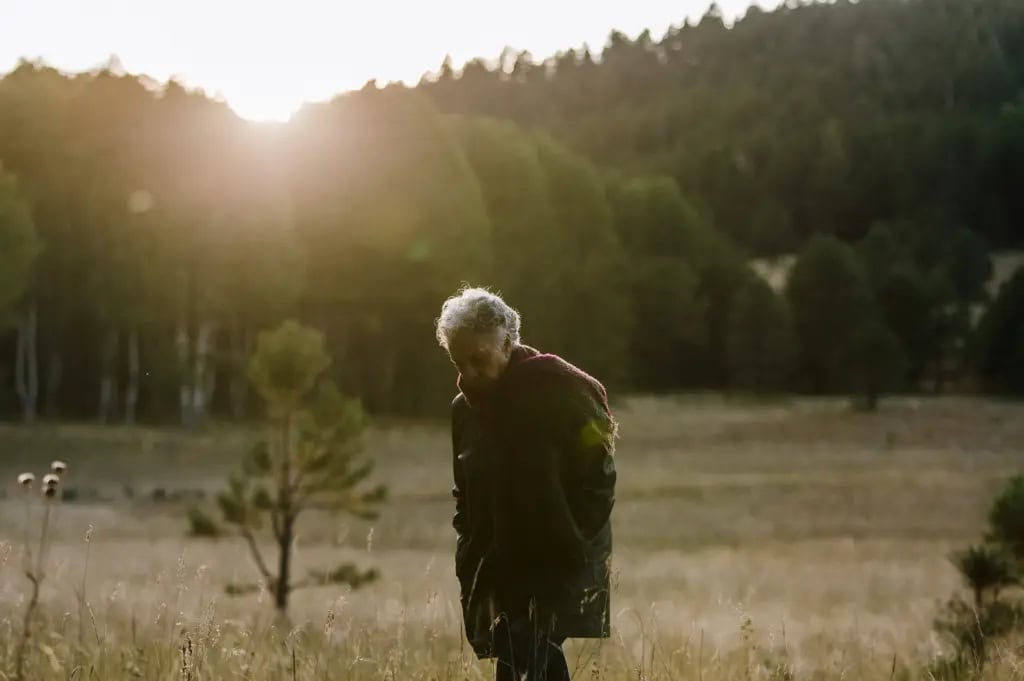
Forever-protected in nature
Memorial Forests solve these problems by giving you permanent, protected access with recorded coordinates.
How Memorial Forests compare to other options
| Memorial Forest vs. Ash Scattering | Memorial Forest vs. DIY Tree Burials | Memorial Forest vs. National Forest |
| Memorial Forest:Your exact location is recorded and protected forever—visit anytime, know precisely where your loved one rests, with guaranteed permanence. | Memorial Forest:Professional soil mixing ensures ashes nourish the forest; conservation easements protect trees; expert care maintains ecosystem health. | Memorial Forest:All permissions handled; memorial markers allowed; dedicated spaces for remembrance within protected forests; always accessible to families. |
| Ash Scattering:One-time dispersal with no specific place to return; restricted in parks. | DIY Tree Burial:Cremation ashes can damage trees without proper pH neutralization. | National Forest:Often prohibited; no memorialization allowed; permits can be complex. |
Memorial Forests offer diverse ways to create lasting tributes from dedicated Memorial Trees to shared Spreading Groves.
Talk to an Everis licensed funeral guide 24/7 who will provide transparent pricing and compassionate guidance to help determine if an ash spreading in a Memorial Forest is right for you.