Learn how to respectfully scatter ashes outdoors. Discover legal tips, meaningful locations, and best practices for creating a beautiful ash‑scattering ceremony.
How To Scatter Ashes Outdoors
Scattering ashes in nature can be one of the most heartfelt ways to say goodbye. It brings together peace, symbolism, and connection to the land or sea. Whether you choose a forest, a mountaintop, or the open water, it’s a beautiful tribute—but one that comes with responsibilities. This guide walks you through how to scatter ashes outdoors in a way that honors your loved one, respects the law, and cares for the environment.
Is It Legal to Scatter Ashes Outdoors?
In the U.S., scattering ashes is permitted, but rules can vary a lot depending on location. Here are some legal points to keep in mind:
- Private property: You’ll need permission from the landowner.
- Public lands (parks, forests, etc.): Many places allow ash scattering, but often with restrictions or permits.
- National parks: Usually stricter rules—check with the park ranger’s office ahead of time.
- At sea: The EPA requires scattering cremated remains at least three nautical miles from shore under the Marine Protection, Research, and Sanctuaries Act (MPRSA). After the scattering, you must report it to the EPA within 30 days. US EPA
- Inland waters (lakes, rivers): Not regulated by federal sea‑dumping law, but state or local laws may apply. Always check. US EPA+1
Meaningful Places to Scatter Ashes Outdoors
Here are some places people often choose—locations that feel special, peaceful, or connected to a loved one’s life.
- A forest or memorial grove
- Mountains or overlooks where your loved one found peace
- Natural reserves or parks (with permission)
- The ocean (from a boat, beyond required distance) or large lakes
- Memorial gardens or scattering gardens in cemeteries
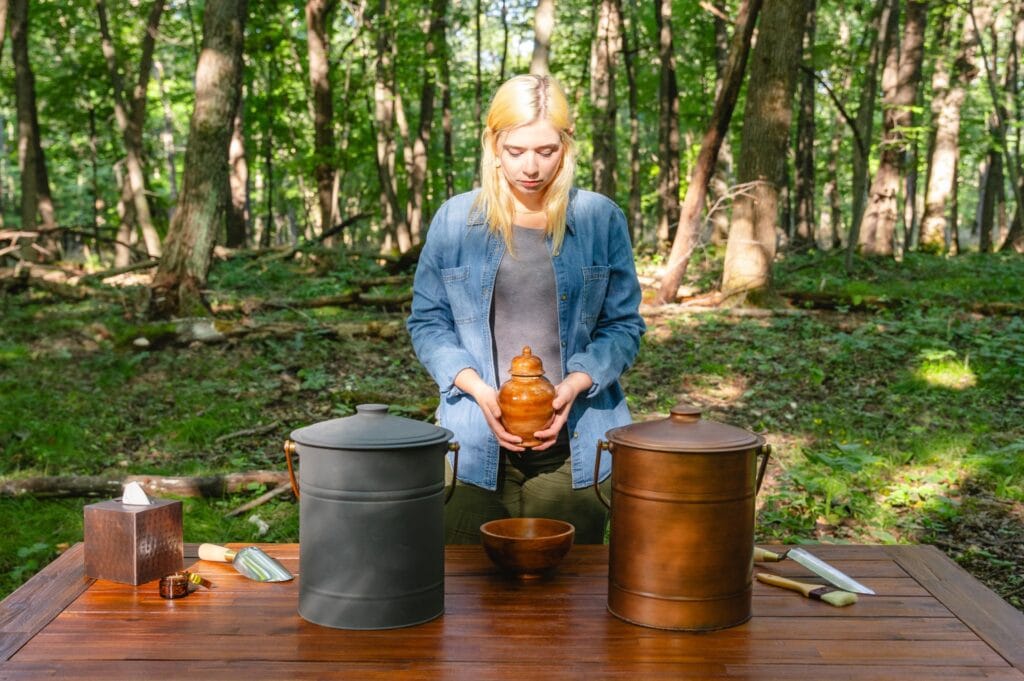
How to Scatter Ashes Respectfully & Beautifully
How you do the scattering can make the ceremony as meaningful as the location. Here are options:
- Casting: Gently release the ashes into the air. Stand upwind so they don’t blow back.
- Trenching: Dig a shallow hole or trench, deposit ashes, and cover them with soil.
- Water ceremony: Use a biodegradable urn or container and allow the ashes to be released over water. If it’s sea, follow required distance and material rules.
- Raking: Spread ashes across the ground and rake them into soil—often used in scattering gardens.
- Aerial scattering: From a drone or plane—this usually means working with a service experienced in this.
Personalizing the Ash Spreading Ceremony
Small touches help the moment feel deeply personal:
- Play a favorite song or read a poem
- Invite family/friends to share memories
- Leave something symbolic—flower petals, biodegradable wreaths, etc.
- Mark GPS coordinates or take photos if you want to revisit the spot later
Environment & Practical Tips
- Use biodegradable urns or containers whenever possible.
- Avoid plastic, metal, or anything that doesn’t decompose.
- Check the wind and weather ahead of time—calm conditions help avoid ashes blowing back onto people or unintended areas.
- Know terrain access, safety, and whether the site is fragile or ecologically sensitive.
We’re here to help: At Everis, we understand that honoring a loved one’s memory is deeply personal. That is why we offer a shared grove where ashes are spread among the trees. Spreading Groves: where memories live on
What to Do After the Scattering Ashes
- If required, report to relevant authorities (e.g., EPA for sea scatterings). US EPA+1
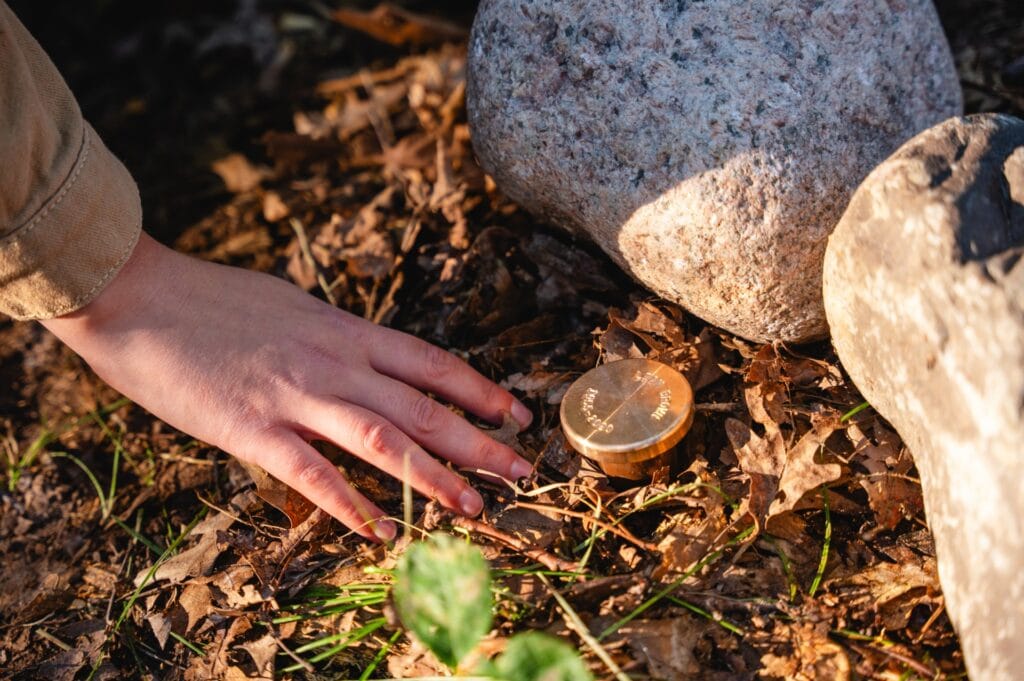
- Note the date and location in writing or a family record—helps others find the spot later.
- If you want, create a small memorial or tribute afterward—online, at home, or at a gathering.
Quick Checklist Before You Go
- Confirm local rules and permits
- Ensure urn/container is compliant (biodegradable if required)
- Arrange transport (boat or land) and weather backup
- Prepare a small script or plan for the gathering
- Let someone know where you’re going (safety matters)
Bottom Line
Scattering ashes outdoors offers a powerful way to honor someone. With a little planning—respecting legal boundaries, choosing meaningful places, and caring for the environment—you can create a tribute that feels right and brings peace.