Curious what the Bible says about cremation? This guide breaks down scripture, church views, and common questions to help you make a choice that feels right for your faith and family.
What Does the Bible Say About Cremation?
Funerals these days can easily top $10,000, and let’s face it—land’s getting scarce, too. So more Christians are wondering if cremation might be a sensible alternative. But then comes the question: “Is this okay with my faith?” The Bible never hands down a “cremate or don’t” decree, yet it does paint vivid pictures of ashes, dust, and the earth—and church leaders have had some thoughts, too. Let’s walk through the highlights together, so you can feel confident in the choice you make.
Ashes, Dust, and the Scriptures
You won’t stumble on a verse that literally says “Don’t cremate the body.” Still, a few passages touch on burning and our return to the earth in poetic, even stark, terms. Consider how 1 Samuel 31 describes Saul and his sons: after they die in battle, their bodies are burned and their bones later buried under a tree. Or remember Genesis 3:19—“You are dust, and to dust you shall return.” And Ecclesiastes 3:20 echoes, “All come from dust, and to dust all return.” These lines underscore our fragility and God’s ultimate authority over life and death—without spelling out exactly what we must do with our remains.
What Folks Did Back Then
In ancient Israel, burial was the go-to choice—partly out of respect for the body, partly from a firm hope in resurrection. That single snapshot of cremation (Saul’s story again) shows it wasn’t banned, just unusual. Think of it more as cultural preference than a heavenly veto.
Resurrection—Does Fire Get in the Way?
A lot of people worry: “If we burn a body, can God still raise it?” In 1963, the Vatican basically said, “Relax—cremation doesn’t touch the soul or limit God’s power to give us new life.” And these days, Catholic guidelines even allow you to scatter ashes in a respectful, pre-approved spot—so long as it’s done thoughtfully. The Vatican said, “cremation is permitted, burial preferred; ashes should be kept together and interred in a sacred place.”
Is Cremation Sinful?
Short answer: no. The Bible never condemns the practice. What really matters is honoring the person who’s gone and trusting in Christ’s promise of resurrection—whether their remains lie in the ground or rest in an urn.
Bible passages people point to for Cremation
| Passage | Plain-language summary | Why it comes up in cremation conversations | What it does / doesn’t prove |
| Genesis 1:31 | God calls creation “very good.” | Used to argue the human body has dignity and should be treated with respect in death. | Supports respectful handling of remains; doesn’t mandate burial vs. cremation. |
| Genesis 23:9 | Abraham secures a burial place for Sarah. | Shows burial was the normal practice in the Old Testament world. | Describes a common practice; doesn’t create a rule that cremation is sinful. |
| Joshua 7:25 | Achan is punished; judgment involves burning. | Some cite it to associate burning with judgment. | It’s about punishment, not a funeral method; not a direct argument against cremation. |
| 1 Kings 16:18 | A king dies in a fire during a crisis. | Sometimes used to show “burning” appears in tragic contexts. | Not a funeral instruction; it’s a historical narrative of violent death. |
| James 1:5 | If you lack wisdom, ask God. | Used as a decision-making anchor when families disagree or feel unsure. | Gives a principle for discernment; not a rule about burial/cremation. |
Different Christian Takes
- Protestant Traditions: Most leave it up to your own conscience. You’ll hear pastors remind folks that resurrection hinges on God, not on what happens to our earthly bodies.
- Catholic Practice: Since the ’60s, cremation’s been on the table. And in 2023, the Vatican clarified how ashes should be interred or scattered—with dignity, of course, and in designated places.
- Eastern Orthodox (common exception): Many Orthodox jurisdictions do not permit cremation. Families are often encouraged to speak with their priest early if this may become an issue.
A Few Down-to-Earth Considerations
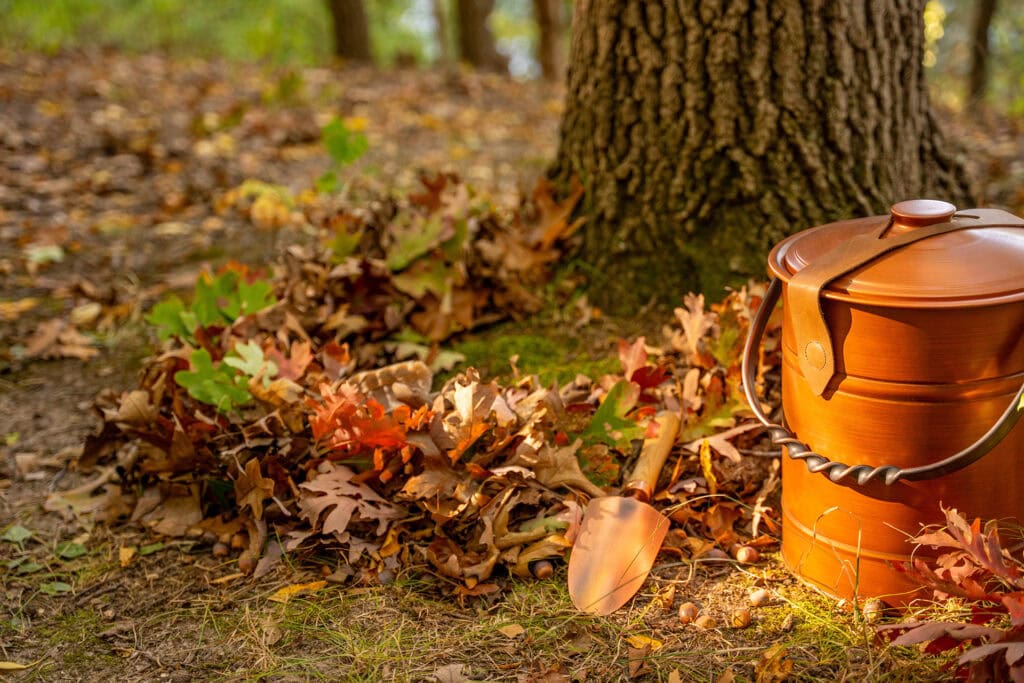
Cremation usually costs less than a full burial, and it opens up options: scatter the ashes, keep them in an urn, or even plant a memorial tree. Environmentally, it spares land and avoids embalming fluids; and if you really want to shrink the footprint, there’s water-based “alkaline hydrolysis,” too. You can still plan a full send-off—service, eulogies, music—whether you bury or cremate.
Is It the Right Choice for You?
Take a moment and ask yourself:
- Which feels most respectful to the body and hopeful in the promise of resurrection?
- How much do cost savings and land-use concerns matter to you?
- What sort of ceremony or memorial will help your family find peace?
Funeral service and funeral arrangements when cremation is chosen
Even with cremation, you can still have a traditional funeral service—scripture, prayers, eulogies, and hymns—either:
- Service first, cremation after (body present), or
- Cremation first, service later (urn present)
For funeral arrangements, these steps keep things simple:
- Ask your pastor/priest what your church expects (especially important for Catholic and Orthodox families).
- Decide where the remains will rest long-term (cemetery plot, columbarium niche, family grave).
- If you’re quoting “ashes to ashes” in the service, pair it with the Christian hope of resurrection so it doesn’t sound like “this is the end,” but “we return to dust while trusting God with what comes next.”
In Closing
The Bible doesn’t give us a hard-and-fast rule on cremation but does remind us that we’re dust—and that God is in charge of what comes next. Whether you choose burial, cremation, or a living memorial tree, aim for the path that honors your loved one, rings true to your faith, and brings comfort to everyone you care about.