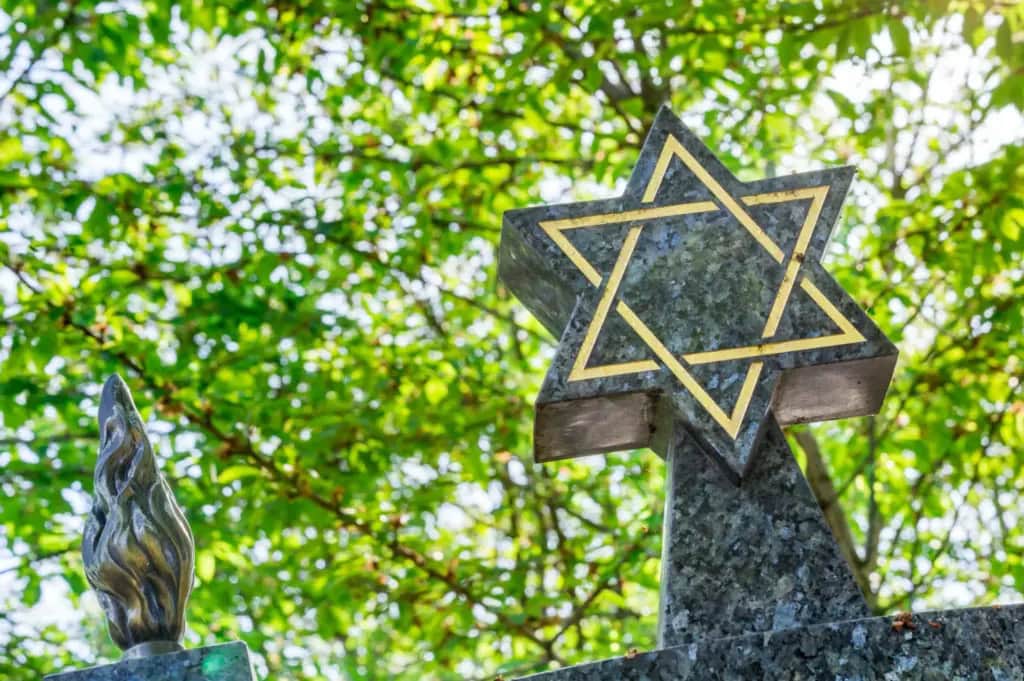
If you’ve never been to a Jewish memorial service before, it’s natural to feel unsure about what to expect. But simply showing up—with respect and a willingness to learn—goes a long way. This guide walks you through the core traditions and etiquette of Jewish mourning, so you can offer support and honor the moment with…
Jewish Memorial Service Traditions and Etiquette: A Guide for Guests and Loved Ones
Jewish funerals and memorials are rich with meaning. They’re grounded in centuries-old traditions that focus on honoring the person who has died, comforting those left behind, and lifting up the soul in remembrance and prayer.
Whether you’re attending a service for a friend, supporting a partner, or navigating your own grief, understanding the customs can help you participate with confidence and compassion.
What Is a Jewish Memorial Service?
In Judaism, funerals usually happen quickly—often within 24 to 48 hours after death. A memorial service, however, may take place later, especially if:
- The body isn’t present
- The person has already been buried or cremated
- The family is gathering on a special date, like a yahrzeit (the anniversary of death)
Core Jewish Funeral and Memorial Traditions
1. Burial Happens Quickly
Jewish tradition emphasizes a timely burial, reflecting the biblical teaching: “For dust you are, and to dust you shall return.” The focus is on humility, respect, and returning the body to the earth.
2. Simple Caskets
Caskets are typically made of plain wood—no metal, no embellishments. It’s a reminder that in death, we are all equal.
3. No Embalming or Viewing
Unlike some traditions, public viewings are avoided. The emphasis is on the soul, not the physical body.
4. Shiva: A Week of Mourning
After burial, the immediate family observes Shiva, a seven-day period of deep mourning. Visitors come to offer comfort, bring meals, share stories, and simply be present.
Common Memorial Customs
Kaddish (Mourner’s Prayer)
This ancient prayer doesn’t mention death—it’s a praise of God, recited by mourners during services and Shiva. Saying Kaddish is a mitzvah (sacred duty) and a way to honor the soul of the departed.
Yahrzeit (Anniversary of Death)
Each year, families light a Yahrzeit candle, often say Kaddish, and may make charitable donations in their loved one’s name.
Unveiling the Headstone
Held about a year after burial, this quiet ceremony marks the placement of the headstone. It’s often intimate—just family and close friends—and includes readings, prayers, and a moment of reflection.Img 2 – A jewish synagogue where a jewish memorial service is taking place

What to Expect at a Jewish Memorial Service
The Setting
Services can take place in a synagogue, funeral home, private residence, or cemetery. A rabbi or cantor usually leads.
Readings and Tributes
You might hear:
- Psalms and Hebrew prayers
- A eulogy (called a hesped)
- Reflections or stories from family members
- The Kaddish
Dress Modestly
Dark, modest clothing is appreciated. Men may be asked to wear a kippah (skullcap)—often provided at the door.
No Flowers
Instead of flowers, families may suggest a donation to a meaningful cause in the loved one’s memory.
Jewish Memorial Etiquette: How to Show Respect
- Arrive on time – Services usually begin promptly.
- Follow along quietly – If you’re not Jewish, simply standing or sitting respectfully during prayers is fine.
- Don’t bring flowers – A donation or kind note is more appropriate.
- Be present – Your presence means more than any perfect words.
What to Say to Someone Who’s Grieving
Not sure what to say? Jewish tradition offers simple, comforting phrases:
“May their memory be a blessing.”
“I’m so sorry for your loss. May you be comforted among the mourners of Zion and Jerusalem.”
But often, a kind smile, hug, or shared silence says enough.
Terms You Might Hear
- Shiva – The seven-day mourning period
- Kaddish – The mourner’s prayer
- Yahrzeit – Anniversary of a death
- Tzedakah – Charity given in memory of the deceased
- Kippah/Yarmulke – Head covering worn during services
- Minyan – A group of 10 Jewish adults needed for communal prayer

Can Jewish Families Choose Cremation?
Traditionally, Judaism favors burial. That said, views differ:
- Orthodox Judaism prohibits cremation.
- Conservative Judaism discourages it, but may allow it.
- Reform Judaism generally accepts cremation, and many hold memorials with the urn present.
Even if cremation is chosen, the core traditions—Kaddish, Shiva, tzedakah—can still be observed.
Final Thoughts
Jewish memorials are not just about grief. They’re about connection—to community, to tradition, and to the enduring memory of the person who has passed.
If you’re attending or supporting someone through this time, know that your presence matters. You don’t need to know every custom—just show up with kindness, listen, and be present.
Because in Jewish tradition, to remember is to bless. And to be there for someone in mourning is one of the most sacred acts of all.
You might also like:
- Understanding Shiva: What to Know Before You Visit
- How to Send Condolences: Text, Email, or Card?
- The Meaning Behind “May Their Memory Be a Blessing”